

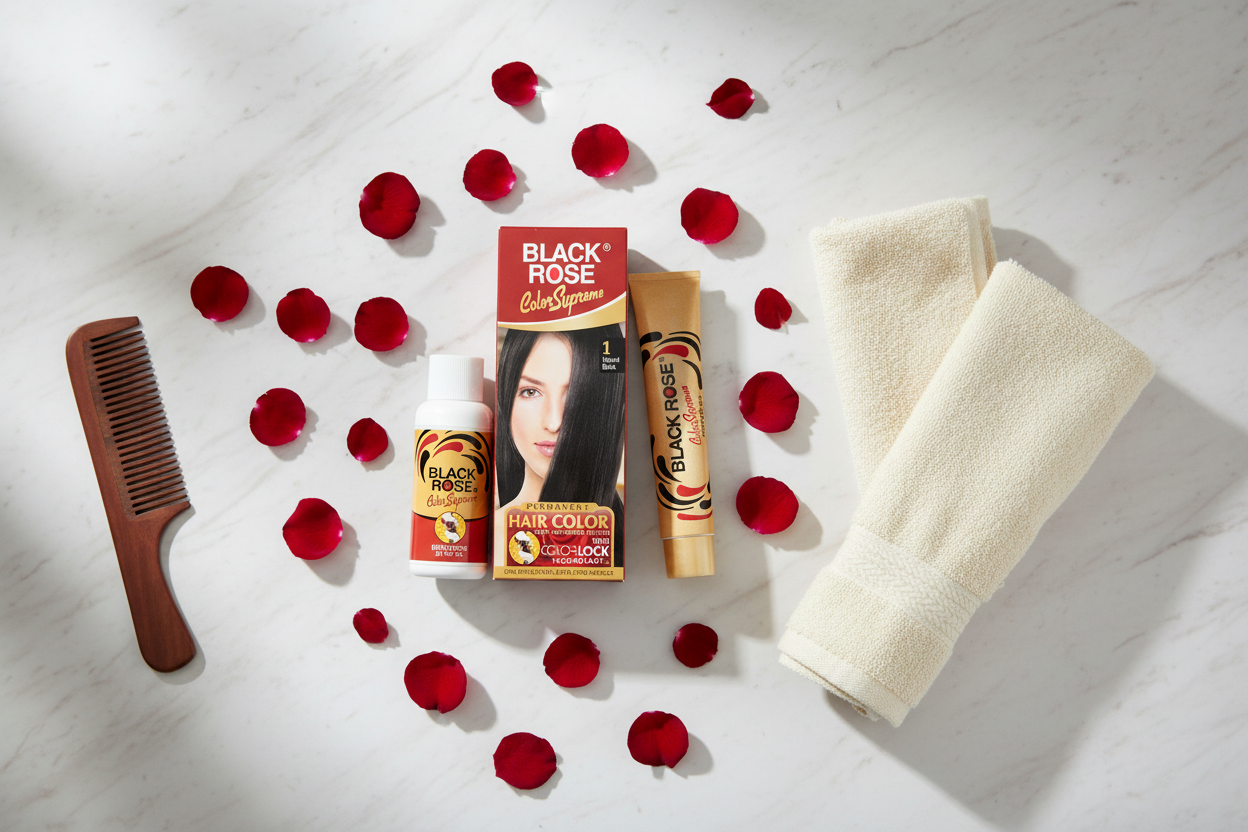
Color can make hair look richer and more polished, but the schedule matters as much as the shade. The safest frequency depends on the color method, your hair’s condition and how fast your roots show.
Most damage comes from repeated chemical stress, heat styling layered on top and overlapping color on already-processed lengths. A smart timing plan protects the cuticle, reduces breakage and keeps your color looking intentional instead of tired.
What Determines How Often You Should Color?

There is no universal number of weeks that fits everyone. The right cadence is based on how much the process changes your hair’s structure and how much visible regrowth you can tolerate.
These factors set your safe baseline and help you decide when a refresh is worth it. Small adjustments, like switching to a softer technique or spacing appointments, can change everything.
- Type of color service. Permanent, demi-permanent and bleach services have very different stress levels on hair.
- Lightening level. Going lighter usually requires lifting, which is more damaging than depositing color.
- Porosity and previous processing. Highly porous ends grab color fast and can get brittle if repeatedly overlapped.
- Natural texture. Coily and curly hair is often drier, so it benefits from longer breaks and gentler formulas.
- Grey coverage needs. High-contrast roots show sooner, which can push people to color too frequently.
- Scalp sensitivity. Itching, redness, or flaking can mean your scalp needs more recovery time.
Once you know where you fall on these variables, you can choose a timing window that keeps hair strong without sacrificing your look.
Safe Timing By Hair Color Type

Different color categories behave differently because of how they interact with the cuticle and cortex. Use these timing ranges as a safety-first guide, then adjust based on how your hair feels and looks.
| Color Service | Typical Safe Timing | Damage Risk And Notes |
|---|---|---|
| Permanent Root Retouch | Every 4 to 6 weeks | Moderate risk if overlapping onto previously colored hair. Keep application mainly on regrowth. |
| Demi Permanent Gloss | Every 6 to 10 weeks | Lower risk. Great for tone, shine and blending without strong lift. |
| All Over Permanent Color | Every 6 to 8 weeks | Higher risk if repeated through lengths. Refresh mid-lengths and ends only when faded. |
| Bleach And Tone Or Platinum | Every 6 to 8 weeks minimum | High risk. Keep sessions spaced and focus on bond support and gentle aftercare. |
| Balayage Or Highlights | Every 10 to 16 weeks | Lower overlap with good placement. A toner or gloss can maintain tone between visits. |
These ranges work best when you avoid stacking strong services on top of each other too often. If you lighten, be especially cautious about adding extra chemical steps during the same month.
Permanent Color and Root Touch Ups
Root retouches are usually safer than pulling permanent color through the entire length each time. Regrowth is new hair, so it tolerates processing better than your mid-lengths and ends.
Most people land in the 4 to 6 week range because roots become obvious, especially with grey coverage or high contrast shades. If your ends feel dry, ask for a root-only application and use a gloss to refresh shine.
Bleaching, Highlighting and Going Lighter
Lightening changes the hair structure more than most darkening services. The cuticle is pushed open and the underlying pigment is removed, which can leave hair weaker if sessions are too close together.
Spacing lightening appointments 10 to 16 weeks often keeps hair in better shape, particularly for highlights or balayage. If you are maintaining very light blonde or platinum, aim for at least 6 to 8 weeks between lightening to reduce overlap and breakage.
Fashion Colors and Toners
Vivid shades and toners fade faster, but frequent reapplication can still cause stress, especially if you pre-lighten. A better strategy is to maintain tone with gentler refreshes and reduce how often you lift.
Many people can refresh a toner or gloss every 6 to 10 weeks without major damage. If the color looks dull sooner, focus on color-safe shampoo, cool water rinses and heat reduction before booking another chemical service.
Signs You are Coloring Too Often

Your hair gives warnings before it reaches a severe breakage point. Pay attention to changes in texture and manage them early, because small issues can turn into major damage after one more service.
- More shedding and snapping. You see shorter pieces breaking off, especially around the hairline and crown.
- Rough, straw-like feel. The hair feels dry even after conditioning, which can signal cuticle damage.
- Elastic or gummy strands when wet. This can be a sign of protein loss and overprocessing.
- Persistent tangles. Increased knotting often means the cuticle is lifted and catching on itself.
- Scalp irritation after coloring. Burning, itching, or tightness may mean you need longer recovery time.
If you notice several of these at once, pause chemical services and prioritize repair and gentle styling until strength returns.
How To Stretch Time Between Color Sessions?
Extending your schedule is often the healthiest upgrade you can make. It also saves money and reduces the cycle of constant fading and reprocessing.
Use tactics that keep the look intentional while your hair recovers. Most of these changes also improve shine and softness, even without a salon visit.
- Switch to dimensional placement. Highlights, balayage and root smudges grow out softer than solid all-over color.
- Use a gloss instead of permanent refresh. A demi gloss can revive tone and shine with less stress.
- Adjust your shade for lower contrast. A slightly softer color reduces the appearance of regrowth.
- Try root camouflage between visits. Powders and sprays can cover grey and soften part lines quickly.
- Reduce heat and friction. Lower heat settings, a heat protectant and gentle detangling prevent additional breakage.
- Protect color in the shower. Wash less often, use lukewarm water and choose sulfate-free, color-safe shampoo.
These habits make the timing ranges in the table easier to follow without feeling like you are compromising your style.
How to Ask For a Lower Damage Color Plan?
A safer schedule starts with a better service plan, not just longer gaps. Clear communication helps your stylist avoid overlap, choose a gentler formula and set realistic maintenance expectations.
- Describe your current routine. Share how often you wash, heat style, swim and use hot tools so the plan fits real life.
- Confirm what will touch previously colored hair. Ask for root-only permanent color when possible and limit repeated processing on ends.
- Choose the least aggressive option that meets the goal. Demi-permanent, glossing and partial highlights can reduce stress.
- Plan maintenance appointments on purpose. Alternate stronger services with gentler toners or trims instead of repeating the same process.
- Get a home care prescription. Use a bond builder if recommended, plus a moisture mask and a protein product when needed.
With a plan like this, you can keep your color consistent while steadily improving hair quality.
Aftercare That Makes Color Last Longer

Aftercare is what protects your investment between appointments. It also determines whether hair stays flexible or becomes brittle over time.
Focus on keeping the cuticle smooth, controlling heat and replenishing moisture. If your hair is lightened, bond support and gentle handling matter even more.
- Wash strategically. Two to three washes per week is enough for many people, with dry shampoo on off days if needed.
- Use a weekly mask. Rotate moisture and light protein based on how your hair responds.
- Protect from heat. Always apply heat protectant and keep tools at the lowest effective temperature.
- Guard against sun and chlorine. Wear a hat in strong sun and rinse hair before and after swimming.
These habits reduce fading, which helps you avoid the temptation to recolor early.
Conclusion
How often you should color your hair depends on the service type, how much lift is involved and how well your hair tolerates processing. Root retouches often fit a 4 to 6 week rhythm, while highlights and balayage usually look best with longer spacing.
Protecting your hair comes down to minimizing overlap, using glosses when possible and following strong aftercare. If you see breakage, excessive dryness, or scalp irritation, extend the time between sessions and rebuild strength before your next color.


