

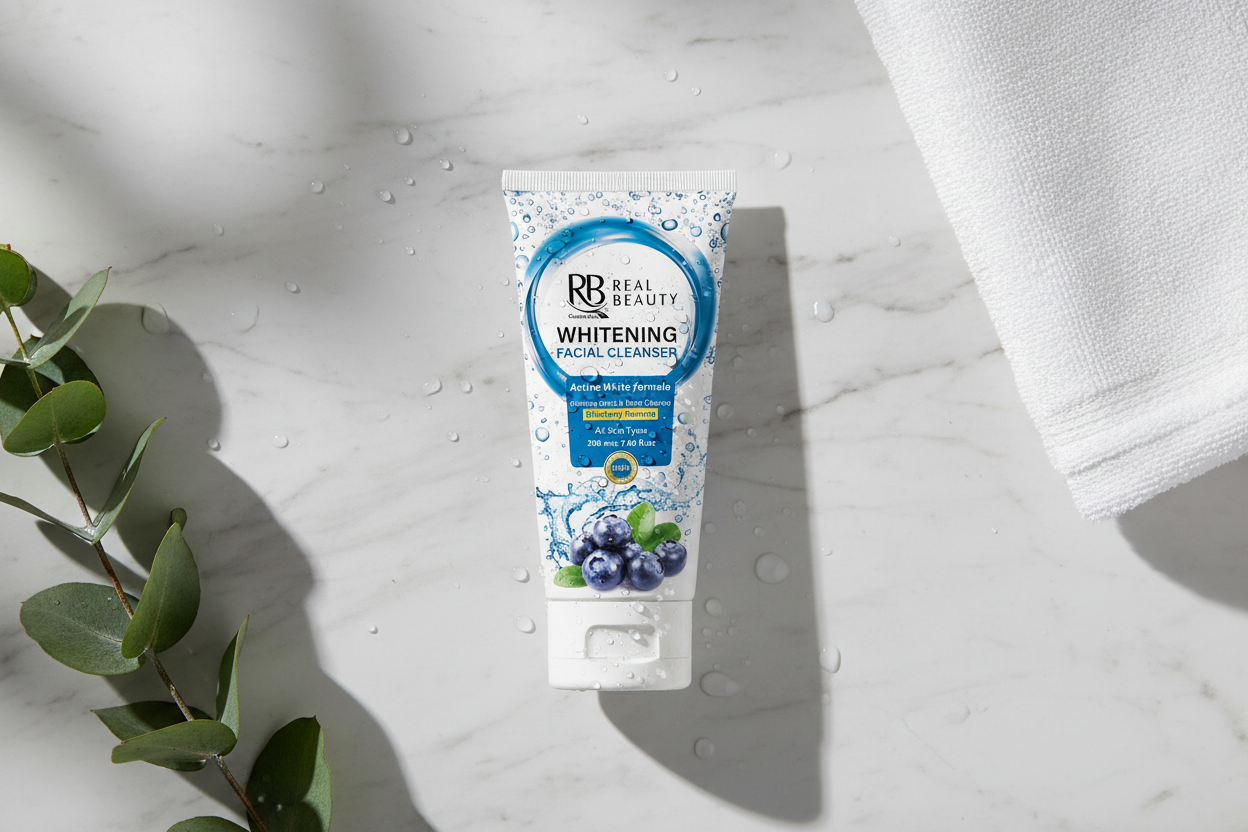
You wash your face expecting it to look fresh, but the mirror shows a flat, tight, or chalky finish. That dull look is usually not “your skin” - it is the result of small cleansing and aftercare mistakes that disrupt hydration, texture and light reflection. Fixing the root cause often brings back clarity and glow within days.
Dullness after cleansing can also signal that the skin barrier is stressed. When water loss rises and surface cells cling unevenly, light scatters instead of bouncing back, so skin looks muted. The goal is simple: cleanse without stripping, then seal in water and calm irritation.
What Dullness After Washing Really Means?
Skin looks bright when its surface is smooth, hydrated and evenly toned. After washing, dullness tends to show up as dryness, rough patches, or a gray cast that makes skin look tired. Those changes often come from over-cleansing, harsh surfactants, or skipping barrier support.
Another common reason is residue. Mineral-rich hard water, leftover cleanser, or heavy makeup not fully removed can leave a film that makes skin look cloudy. You do not need a complicated routine - you need the right technique and the right product match for your skin type.
Common Mistakes That Make Skin Look Dull
Most “dull after washing” issues fall into a few patterns. These mistakes increase dehydration, irritation, or uneven shedding of dead skin cells. Once you spot which ones apply, the fixes are straightforward.
Using A Cleanser That Strips Your Barrier
If your face feels squeaky, tight, or itchy after cleansing, the cleanser is likely too harsh. Strong foaming agents can dissolve not only oil and sunscreen but also the lipids that keep water in. That immediate tight feeling often leads to a dull, dry finish within minutes.
Choose a gentle cleanser that rinses clean without leaving the skin feeling “empty.” Look for barrier-friendly ingredients such as glycerin, ceramides and amino acid-based surfactants. If you are oily, you can still use gentle formulas and rely on targeted treatments instead of aggressive cleansing.
Washing With Water That Is Too Hot

Hot water feels relaxing, but it can increase redness and weaken the skin’s natural protective oils. That can make texture look rough and pores appear more visible. The result is less radiance and more uneven tone right after you rinse.
Use lukewarm water and keep rinse time short. If you enjoy warm showers, cleanse at the sink with lukewarm water instead. Your skin often looks calmer and brighter with that single change.
Cleansing Too Often Or Too Long
More washing does not equal cleaner skin. Over-cleansing disrupts the microbiome and raises transepidermal water loss, which quickly translates into dullness. Long cleansing sessions also increase friction and irritation, especially around the nose and cheeks.
Most people do best with cleansing twice daily at most. If your morning skin is not oily, a water rinse or a very mild cleanser can be enough. At night, focus on removing sunscreen and pollution without scrubbing.
Rubbing And Scrubbing With Towels Or Tools
Friction is an underrated cause of dull skin. Rough washcloths, cleansing brushes used daily, or towel rubbing can create micro-irritation and uneven flakes. That uneven surface scatters light and makes skin look dull even if it is otherwise healthy.
Use your fingertips to cleanse and pat dry with a soft towel. If you use a washcloth, keep it gentle and limit it to occasional use. Replace towels often to reduce bacteria and product buildup.
Not Fully Removing Sunscreen And Makeup
Water-resistant sunscreen, long-wear foundation and heavy concealer can cling to pores and hair follicles. If they are not removed completely, they leave a subtle residue that looks like a film. That film can also trap oil and dead skin, worsening texture.
If you wear sunscreen or makeup, consider a two-step cleanse at night. Start with an oil cleanser or micellar water, then follow with a gentle water-based cleanser. Keep both steps mild so you remove buildup without stripping.
Over-Exfoliating Or Exfoliating At The Wrong Time
Exfoliation can brighten skin, but too much can cause dryness, stinging and a dull rebound. When the barrier is compromised, skin may produce uneven flakes that catch light and create a patchy finish. This can look like “dead skin” even when you have exfoliated recently.
Use one exfoliant strategy at a time. That can be a low-strength AHA a few nights per week, a BHA for congestion, or a gentle enzyme exfoliant if you are sensitive. Avoid exfoliating right after shaving or when your skin is already irritated.
Skipping Moisturizer Right After Washing

Water alone does not hydrate skin for long. After cleansing, water evaporates quickly, especially in dry climates or air-conditioned rooms. Without moisturizer, the surface dries out and looks flat rather than reflective.
Moisturize within a minute or two of patting dry. A simple routine works: a humectant serum, then a moisturizer that contains ceramides, cholesterol and fatty acids. If you are very dry, add a thin layer of occlusive balm to seal it in.
Quick Fix Routine For Brighter Skin After Cleansing
Small adjustments compound quickly. The routine below is designed to keep the barrier intact while improving texture and hydration. It also helps reduce the tight, dull look that appears minutes after washing.
- Cleanse gently. Use lukewarm water and a mild cleanser, then rinse thoroughly without lingering scrubbing.
- Pat and prep. Pat skin until it is damp, not fully dry, so water can be trapped by the next layers.
- Hydrate and seal. Apply a hydrating serum, then moisturizer, then sunscreen in the morning or a barrier cream at night.
This routine focuses on reducing stripping and increasing water retention. If you keep it consistent, your skin typically looks more even and reflective.
How To Choose The Right Cleanser For Your Skin Type?
The best cleanser is the one that cleans without leaving a squeaky feel. Skin type matters, but sensitivity and barrier health matter even more. If you are unsure, start with a gentle, fragrance-free formula and adjust based on how your skin feels 10 minutes after washing.
- Dry or sensitive skin. Choose cream or gel-cream cleansers with glycerin, panthenol and ceramides.
- Oily or acne-prone skin. Choose a low-foaming gel cleanser and add a leave-on BHA if needed rather than scrubbing harder.
- Combination skin. Use one gentle cleanser and spot-treat oilier areas instead of using a strong cleanser everywhere.
- Reactive or redness-prone skin. Avoid strong fragrance and high-alcohol formulas and keep water temperature cool to lukewarm.
Once your cleanser matches your skin, most other steps become easier. Your moisturizer and sunscreen also tend to sit better and look more natural.
Signs You Are Stripping Your Skin And How To Correct It
Stripping is not always obvious right away. Many people mistake the tight feeling for “clean,” then chase oiliness with more cleansing. Paying attention to small signs helps you reverse dullness faster.
- Tightness within minutes. Switch to a gentler cleanser and shorten wash time.
- Stinging with moisturizer. Pause exfoliants and use a barrier-repair moisturizer until comfort returns.
- Patchy dry areas. Reduce hot water and add an occlusive layer at night on the driest zones.
- More oil by midday. Oil can increase when skin is dehydrated, so prioritize hydration rather than stronger cleansers.
Barrier repair is often the quickest path to glow. Once irritation and dehydration calm down, skin reflects light more evenly.
Common Causes And Fixes At A Glance
This summary makes it easy to match the problem you see with the adjustment that usually helps most. Keep changes simple and give your skin several days to respond.
| What You Notice After Washing | Likely Cause | What To Do Next |
|---|---|---|
| Tight and dull finish | Cleanser too stripping or too frequent cleansing | Switch to gentle cleanser and cleanse less in the morning |
| Redness and rough texture | Hot water and friction from scrubbing | Use lukewarm water and pat dry with a soft towel |
| Cloudy film or clogged feel | Residue from sunscreen, makeup, or hard water | Try a mild first cleanse then a gentle second cleanse |
| Flaky patches that look worse after washing | Over-exfoliation or barrier damage | Pause acids, moisturize on damp skin, add barrier cream |
Use the table to pick one main fix, then evaluate results before adding anything else. Skin improves faster with fewer, well-chosen changes.
Conclusion
If your face looks dull after washing, the most common culprit is a disrupted barrier from harsh cleansing, hot water, friction, or missed hydration. Focus on gentle cleansing, thorough but non-stripping removal of sunscreen and moisturizing quickly on damp skin. Those fundamentals restore smoothness and water balance, which is what makes skin look bright.
Commit to a calm routine for at least a week before changing multiple products. When comfort returns and texture evens out, glow follows naturally and your skin looks clearer right after you rinse.


