

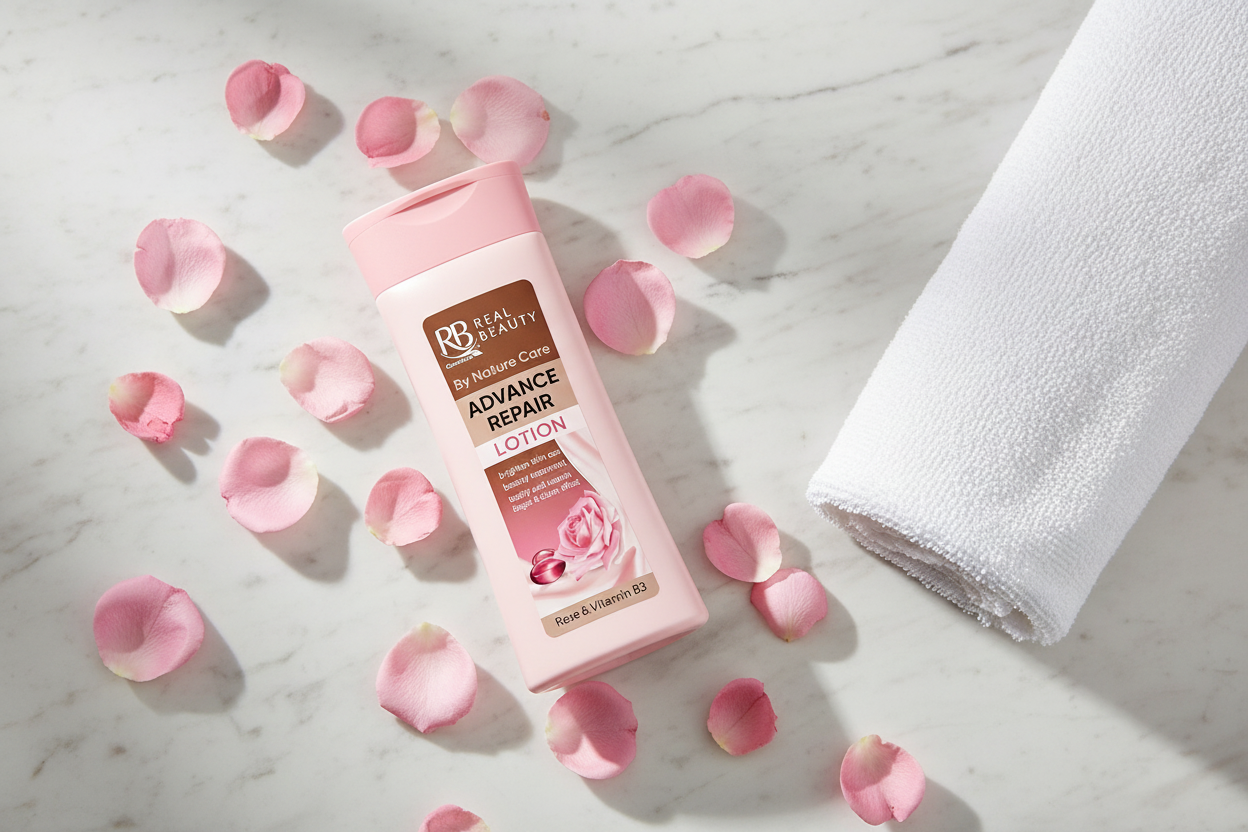
Summer air often looks humid, yet skin can still lose water fast. Sun exposure, heat, and frequent rinsing can weaken the moisture barrier and leave skin tight after bathing.
Chlorine, saltwater, and sweat can also pull water from the outer layer of skin. If you shower more often in warm weather, that repeated cleansing can strip lipids that normally keep water in.
What To Apply After A Shower And Why Timing Matters?

The best time to moisturize is right after you turn off the water, when skin is still slightly damp. This helps trap hydration and reduces the dry, papery feeling that can show up on legs, arms, and elbows.
Pat skin gently with a towel instead of rubbing. Then apply lotion within a few minutes so your moisturizer can seal in the water left on the surface.
How To Choose The Best Lotion For Dry Skin In Summer?
A good summer body lotion should hydrate without feeling heavy, sticky, or greasy. Look for a formula that supports the barrier, calms irritation, and holds water in the skin for hours.
Texture matters in hot weather. Lightweight lotions and lotion-gel textures can still be deeply hydrating when they include the right mix of humectants, emollients, and occlusives.
Hydrating Ingredients That Pull Water Into Skin
Humectants attract water and improve softness quickly. They work best when applied to damp skin and paired with barrier-friendly ingredients.
- Glycerin helps bind water to the outer skin layers and supports long-lasting hydration.
- Hyaluronic acid holds water on the skin surface and helps reduce the look of rough patches.
- Urea hydrates and gently smooths flaky areas, especially on legs and arms.
These ingredients can make a lighter lotion perform like a richer cream. Pairing them with the right oils or ceramides improves comfort in dry, hot conditions.
Barrier Repair Ingredients That Reduce Moisture Loss

Dry skin is often a barrier issue, not just a water issue. When the barrier is compromised, water escapes and irritants get in more easily.
- Ceramides support the lipid structure that keeps skin resilient and less reactive.
- Niacinamide can improve barrier function and help uneven, irritated texture feel calmer.
- Colloidal oatmeal soothes itchiness and reduces the urge to scratch dry areas.
Barrier-repair ingredients are especially useful if you also use exfoliating body washes, swim frequently, or deal with post-shower itching.
Light Occlusives That Seal Hydration Without Feeling Heavy
Occlusives reduce transepidermal water loss by forming a protective layer. In summer, many people prefer lighter options that still seal well.
- Dimethicone feels smooth, reduces roughness, and seals in hydration without an oily finish.
- Shea butter can work in small amounts for comfort, especially on very dry spots.
- Petrolatum is highly effective for extreme dryness, best used as a thin layer on rough patches.
If lotion alone is not enough on knees, ankles, or hands, spot-treat those areas with a thin occlusive layer on top of lotion.
Quick Ingredient Guide For Summer Dry Skin
Reading labels gets easier when you know what each group of ingredients does. Use the table below to match your skin feel and climate with the lotion type that fits best.
| Skin Need | Ingredients To Look For | Best Texture For Summer |
|---|---|---|
| Tightness after shower | Glycerin, hyaluronic acid, panthenol | Light lotion or lotion-gel |
| Flaking and rough patches | Urea, lactic acid, ceramides | Medium lotion or soft cream |
| Itch and sensitivity | Colloidal oatmeal, niacinamide, ceramides | Fragrance-free cream |
| Chlorine or saltwater dryness | Glycerin, ceramides, dimethicone | Fast-absorbing lotion |
Use this as a starting point, then adjust based on how your skin feels by the end of the day. The right lotion should keep skin comfortable without making you want to rinse it off.
Best After Shower Routine For Dry Skin In Summer

A consistent routine matters more than chasing the richest formula. The goal is to minimize stripping, lock in water, and reduce irritation from heat, sun, and frequent cleansing.
- Cleanse gently. Use a mild, non-stripping body wash and keep showers warm, not hot.
- Pat dry. Leave skin slightly damp so your lotion can trap surface water.
- Apply lotion promptly. Smooth a generous layer over the body, focusing on legs, elbows, and any flaky spots.
- Spot-seal very dry areas. Add a thin layer of an occlusive on top of lotion on heels, hands, or knees if needed.
- Dress in breathable fabric. Choose loose cotton or moisture-wicking materials to reduce sweat irritation and friction.
Once this feels automatic, you can fine-tune products for your climate. Your routine should feel easy enough to repeat daily.
Common Mistakes That Keep Skin Dry
Dry skin in summer is often caused by small habits that add up. Fixing a few of these can make almost any well-formulated lotion work better.
- Waiting too long after showering. Lotion works best on damp skin, not fully dried skin.
- Using very hot water. Heat dissolves skin lipids and increases moisture loss after you step out.
- Over-scrubbing. Harsh loofahs and frequent exfoliation can cause micro-irritation and flaking.
- Choosing strong fragrance. Some fragrance blends can trigger itch or stinging on compromised skin.
- Skipping sunscreen on the body. UV damage worsens dryness and rough texture over time.
Correcting these issues often improves results within a week. If skin still feels uncomfortable, consider a richer formula at night and a lighter one in the morning.
How To Pick A Lotion Texture That Feels Good In Heat?
In summer, comfort drives consistency. If a lotion feels heavy, you are less likely to apply enough or use it daily.
Lotions tend to absorb faster than creams, while creams often support very dry, reactive skin better. Lotion-gel textures can feel cooling but still need barrier support ingredients to prevent rebound dryness.
What To Do If You Have Sensitive Or Acne Prone Body Skin?
Sensitive skin often does best with fragrance-free formulas and fewer plant extracts. A simple blend of glycerin, ceramides, and dimethicone can hydrate without creating a burning or itchy feeling.
If you get body breakouts, avoid very heavy oils over sweat-prone areas and prioritize non-comedogenic textures. Rinse sweat off promptly and moisturize after, because dehydrated skin can feel oilier and more reactive.
When Dry Skin Might Need More Than Lotion?
If you see cracking, persistent redness, or intense itching, a basic lotion may not be enough. You may need a thicker cream, an ointment on top at night, or a change in cleanser and water temperature.
Conditions such as eczema and contact dermatitis can flare in summer due to sweat, friction, and sunscreen ingredients. If symptoms persist or worsen, a clinician can help confirm the cause and guide treatment.
Conclusion
The best lotion for dry skin in summer is one you will use daily right after a shower. Focus on humectants for hydration, ceramides and niacinamide for barrier support, and a light occlusive to seal without heaviness.
Keep showers warm, moisturize on damp skin, and spot-treat rough areas. With the right texture and a simple routine, skin can stay soft and comfortable all season.


