

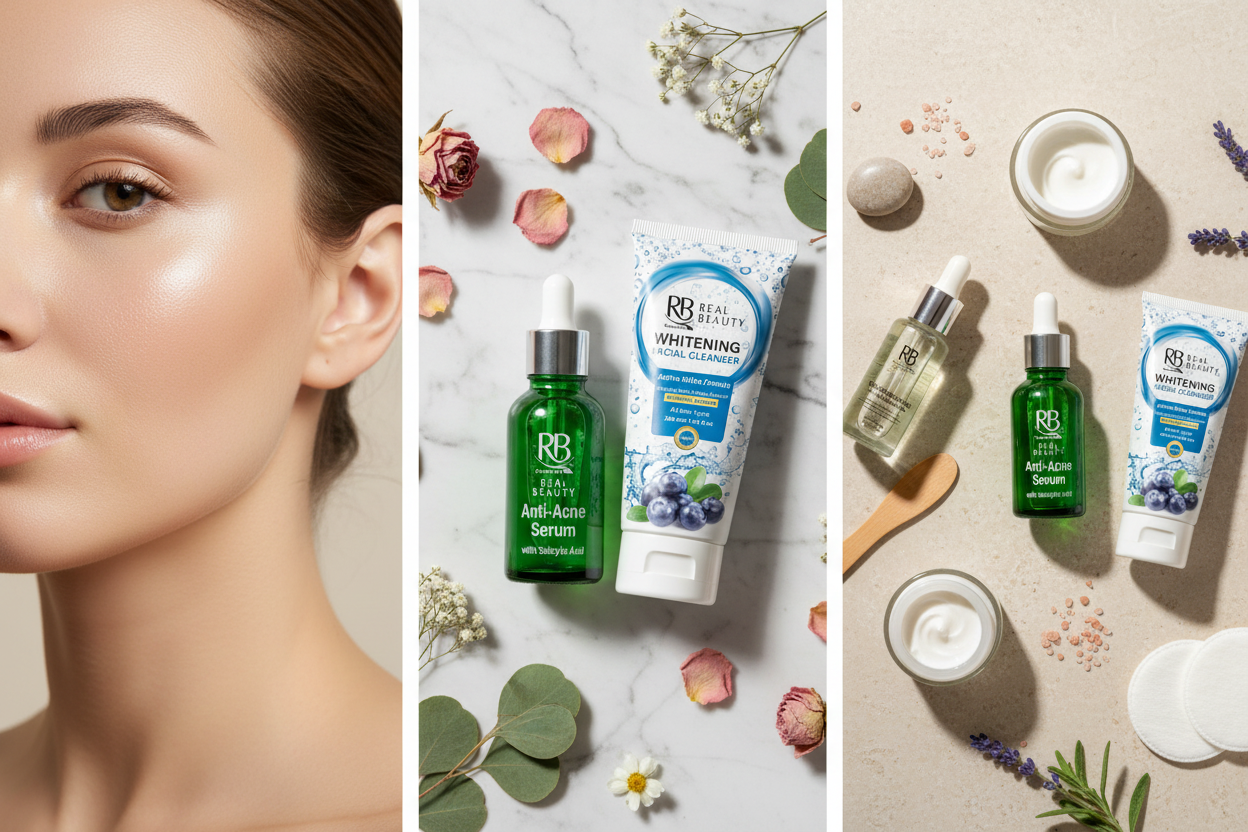
Open pores on the nose and cheeks can feel frustrating because they make skin texture look uneven and makeup sit poorly. Most of the time, pores are not truly “open” or “closed” - they only appear larger when oil, debris, and loss of firmness change how light reflects on the skin.
The good news is that you can make pores look smaller with consistent care and the right ingredients. The goal is realistic improvement, not perfect poreless skin, because pores are normal and necessary.
What People Mean By Open Pores?
Pores are tiny openings for hair follicles and oil glands. When people say open pores, they usually mean enlarged pores that are easier to see on the nose, inner cheeks, and sometimes the forehead.
Enlarged pores often come with blackheads, sebaceous filaments, or an oily shine. They can also look more obvious when skin is dehydrated or losing collagen support.
Why Pores Look Larger On The Nose And Cheeks?
The nose has many oil glands, so it fills quickly with sebum and dead skin. When that mix stretches the pore lining, the pore can look larger even if you cleanse daily.
Cheeks are different because they can show pores from oil, sun damage, or loss of elasticity. As skin becomes less firm, the pore opening can look more oval and more visible.
Common Causes That Make Pores More Noticeable
Several factors can combine to make pores stand out. Knowing your main triggers helps you choose products that actually match your skin needs.
- Excess sebum: Oil builds up faster in the T-zone and can widen how pores look.
- Dead skin buildup: Rough surface cells make texture look thicker and pores look deeper.
- Blackheads and sebaceous filaments: Dark plugs or gray dots create contrast that highlights pore openings.
- Sun damage: UV exposure breaks down collagen and elastin, which can make pores look stretched.
- Dehydration: Skin can overproduce oil when it is dry, and fine surface lines can make pores stand out.
- Genetics and hormones: Some people naturally produce more oil or have thicker follicles.
Once you identify which of these applies to you, you can focus on a routine that improves texture without over-stripping.
What Really Helps At Home?
Home care works best when it is gentle and consistent. Over-cleansing and harsh scrubs can trigger rebound oil, irritation, and more obvious pores.
Cleanse Without Stripping

Use a mild cleanser that removes sunscreen and oil without leaving skin tight. If you wear makeup or heavy sunscreen, a double cleanse at night can help prevent buildup inside pores.
Avoid abrasive scrubs on the nose and cheeks because they can cause micro-irritation. Smooth, clean skin reflects light more evenly, which makes pores look smaller.
Use Salicylic Acid For Congestion

Salicylic acid is oil-soluble, so it can move into the pore and loosen compacted debris. It is especially helpful for the nose where sebaceous filaments and blackheads are common.
Start slowly to prevent dryness, then increase as tolerated. Pair it with a simple moisturizer so your barrier stays calm and balanced.
Try Niacinamide For Oil Control And Texture
Niacinamide can help regulate oil and support the skin barrier. When oil is better controlled, pores look less shiny and less emphasized.
It also layers well with many routines, which makes it a practical daily option. If irritation happens, reduce frequency rather than stacking more products.
Introduce A Retinoid For Long Term Refinement
Retinoids support cell turnover and collagen, which improves texture and can reduce the look of enlarged pores over time. They are a long-term strategy, not a quick fix, and results build with steady use.
Start with a low strength and use it a few nights per week. Keep the rest of your routine simple to reduce irritation that can make pores look worse.
Moisturize And Protect The Barrier
Even oily skin needs moisturizer, especially if you use exfoliants or retinoids. A lightweight, non-comedogenic lotion can reduce dehydration and help skin look smoother.
Look for ingredients that support the barrier like ceramides, glycerin, and panthenol. Calm skin usually shows less redness and less visible texture.
Wear Sunscreen Every Morning
Daily sunscreen is one of the most effective ways to prevent pores from looking larger over time. UV damage weakens the skin’s supporting structure, which makes texture appear rougher and more uneven.
Choose a broad-spectrum sunscreen you will actually wear consistently. If shine is a concern, try a matte or gel texture that feels light on the nose and cheeks.
Habits That Can Make Open Pores Look Worse
Small daily habits can undo good skincare. If pores seem to worsen despite products, look at friction, picking, and inconsistent sun protection.
- Over-washing: Cleansing too often can dry the surface and trigger more oil production.
- Pore strips too frequently: They can irritate skin and do not address ongoing oil and dead skin buildup.
- Picking and squeezing: Trauma can stretch pores and increase the risk of marks and inflammation.
- Skipping moisturizer: Dehydrated skin can look rough and make pores stand out.
Gentle, repeatable routines usually outperform aggressive quick fixes.
Quick Reference Table For Common Options
This table summarizes what different approaches do and who may benefit most. Use it to narrow your routine to a few reliable steps instead of piling on products.
| Option | What It Helps With | Best For |
|---|---|---|
| Salicylic Acid Leave-On | Clears congestion inside pores and reduces blackheads | Oily nose, clogged pores, sebaceous filaments |
| Niacinamide Serum | Supports barrier and reduces excess shine over time | Combination skin, enlarged-looking pores, sensitivity |
| Retinoid Night Treatment | Improves texture and supports firmness with consistent use | Rough cheeks, sun-related texture changes |
| Daily Broad-Spectrum Sunscreen | Prevents loss of firmness that can make pores look stretched | All skin types, especially visible cheek pores |
When Professional Treatments Make Sense?
If pores remain very noticeable after several months of consistent home care, in-office options may help. These treatments focus on oil control, resurfacing, and collagen support.
Common options include chemical peels, microneedling, radiofrequency microneedling, and certain lasers. The best choice depends on your skin tone, sensitivity, acne history, and downtime tolerance.
How To Build A Simple Routine That Works?
A routine for open pores on nose and cheeks should be structured and easy to repeat. Adding too many actives at once often leads to irritation, which can make texture look worse.
- Choose a gentle cleanser. Cleanse in the morning if needed and always cleanse at night to remove sunscreen and buildup.
- Add one pore-focused active. Use salicylic acid a few times per week or a retinoid at night, then adjust based on tolerance.
- Moisturize daily. Keep the barrier supported so actives work better and your skin stays smooth.
- Use sunscreen every morning. Consistent UV protection helps maintain firmness and prevents texture from worsening.
After your base routine feels stable, you can add a second active only if your skin stays comfortable and calm.
Signs You Should Adjust Or Pause
It is normal to have mild dryness when starting a new active, but persistent stinging or peeling is a sign to scale back. Irritation can make pores look larger by causing inflammation and uneven texture.
Reduce frequency, simplify products, and focus on moisturizer and sunscreen for a week or two. If burning, swelling, or rash develops, stop the trigger product and consider professional guidance.
Conclusion
Open pores on nose and cheeks usually reflect oil, buildup, and changes in skin firmness rather than a permanent problem. A gentle cleanser, salicylic acid for congestion, niacinamide for balance, retinoids for long-term texture, and daily sunscreen can make pores look smaller with consistency.
Focus on steady care, not harsh shortcuts, and protect your skin barrier as you treat congestion. If home care plateaus, professional treatments can add targeted support for texture and collagen.


