

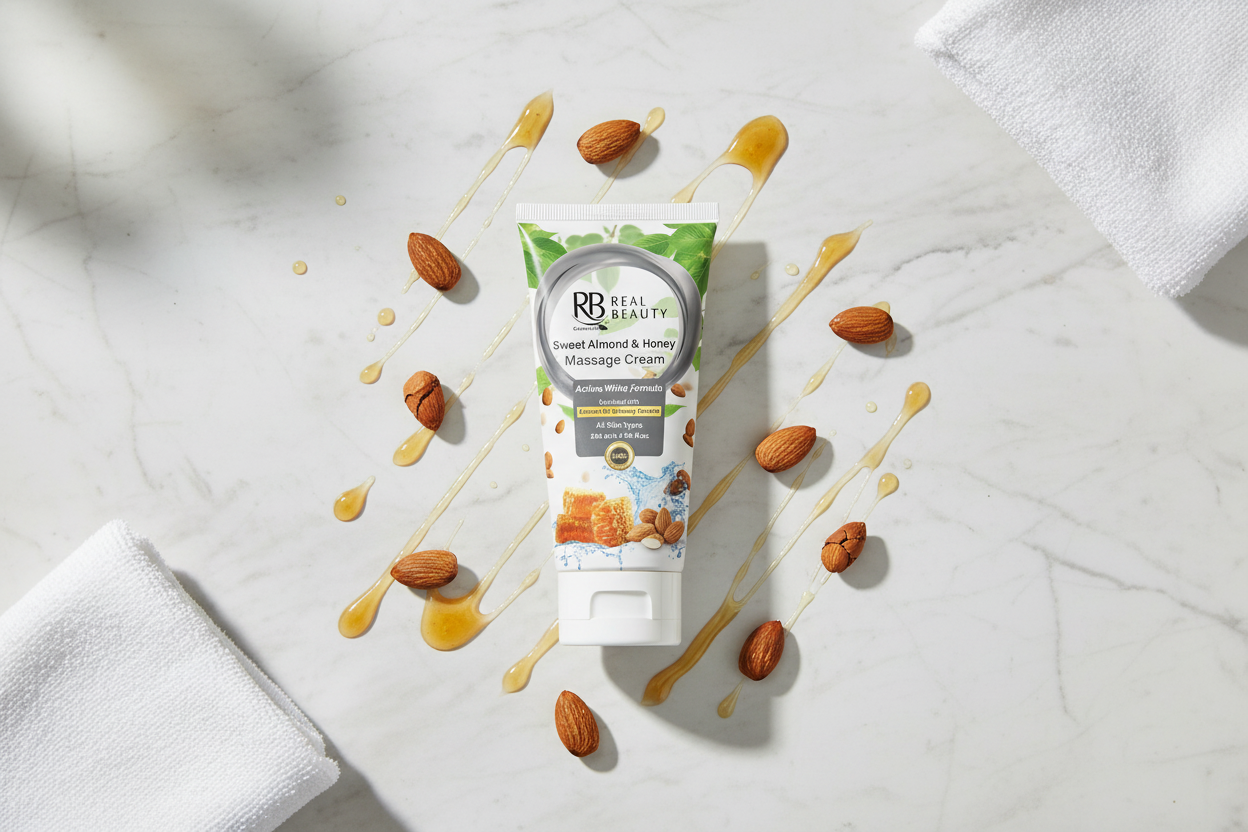
Massage cream is the “slip” factor that lets your fingers glide without dragging delicate facial skin. Used correctly, it supports a more comfortable massage, helps soften the feel of dryness, and makes a home facial feel more professional.
Unlike many light lotions, massage cream stays workable longer, so you can focus on technique instead of reapplying product. That longer play time can also reduce the temptation to tug at the skin.
Massage Cream Benefits For Facial Massage
A good facial massage is partly technique and partly the product that protects your skin barrier while you work. Massage cream can improve comfort, help your hands move evenly, and leave skin feeling supple after you rinse or wipe it away.
Benefits depend on the formula and your skin type, but most people notice a softer, more cushioned feel during massage. When your skin is not fighting friction, your routine stays gentler and more consistent.
- Less friction and pulling. Cream creates glide so massage strokes stay smooth, especially around the cheeks and jawline.
- More even pressure. Your fingers move more steadily, which helps you keep pressure light and controlled.
- Comfort for dry or tight skin. Richer bases can reduce the feeling of tightness while you massage.
- Supports a polished finish. Many formulas leave a soft, moisturized feel after removal without a squeaky-clean sensation.
Once you understand what massage cream does, it becomes easier to choose the right texture and remove it cleanly.
Massage Cream Vs Face Oil Vs Moisturizer

Not every slippery product behaves the same on facial skin. Oils can feel very slick but may migrate into eyes, while moisturizers can absorb too fast and increase friction mid-massage.
Massage cream usually sits in the middle with steady glide and better control. It is often designed to stay on the surface longer, then lift away with water or a damp cloth.
| Product Type | How It Feels During Massage | Best Use |
|---|---|---|
| Massage cream | Balanced glide, less slip into eyes, long working time | Full facial massage and lymphatic style strokes |
| Face oil | Very slick, can feel greasy, may shift around easily | Short massages and very dry skin when you want high slip |
| Moisturizer | May absorb quickly and start to drag | Quick massage while applying daily skincare |
| Gel cream | Light glide, can dry down faster | Oily or combination skin that prefers lighter textures |
This comparison helps you decide whether massage cream is the best base for your home facial goals and your skin type.
How To Choose The Best Massage Cream For Your Skin Type?
The best massage cream for home facial use should match your skin’s oil level, sensitivity, and how easily you clog. Texture matters because too rich can feel heavy, while too light can increase drag during longer massage routines.
Check how it removes, too. If it needs a lot of scrubbing to come off, it can defeat the purpose of a gentle facial massage.
- Dry skin. Look for richer creams with nourishing emollients and barrier-support ingredients like ceramides or squalane.
- Oily or acne-prone skin. Choose lighter, non-comedogenic options and avoid heavy occlusives if they tend to congest you.
- Sensitive skin. Prefer fragrance-free formulas and minimal essential oils to reduce the chance of stinging or redness.
- Combination skin. Use a medium-weight cream and apply a thinner layer on the T-zone and a thicker layer on drier areas.
Once you pick a suitable formula, your technique becomes the main factor that determines results and comfort.
Key Ingredients To Look For
Ingredient lists can be long, but a few categories matter most for facial massage. You want cushion, glide, and a finish that supports your skin barrier rather than stripping it.
If you are reactive, fewer ingredients can be a benefit. If you want extra hydration, focus on formulas that pair humectants with gentle emollients.
- Humectants. Glycerin and hyaluronic acid help the skin feel hydrated and plump.
- Emollients. Squalane, jojoba esters, and fatty alcohols improve softness and reduce rough feel.
- Barrier helpers. Ceramides, panthenol, and cholesterol support a comfortable, resilient feel.
- Soothing agents. Allantoin, colloidal oatmeal, and madecassoside can calm the look of temporary redness.
Even great ingredients need good usage habits, especially if you massage regularly.
When To Avoid Massage Cream?
Massage is not always a good idea, even with a gentle cream. If your skin is irritated, inflamed, or compromised, rubbing can worsen discomfort.
Skip facial massage and keep routines simple when you have active infection, open cuts, or a fresh peel or laser treatment. If you are under dermatology care for a skin condition, follow that plan first.
- Active breakouts with soreness. Pressure and friction can aggravate inflamed blemishes.
- Sunburn or windburn. Massage can intensify stinging and prolong irritation.
- New rashes or allergic reactions. Do not massage until you identify the trigger and skin settles.
When your skin is calm and prepped, massage cream can be used safely with a light touch.
How To Apply Massage Cream For A Home Facial?

Application is about clean skin, controlled amount, and gentle strokes. A consistent routine keeps the process relaxing and helps prevent overworking the skin.
Plan for about five to ten minutes of massage. Longer is not always better if you start to tug or if the cream begins to dry down.
- Cleanse thoroughly. Remove sunscreen, makeup, and grime so the cream is not massaging debris into pores.
- Apply to slightly damp skin. A light mist of water or toner can improve glide and reduce product use.
- Warm the cream in your hands. Rub a small amount between palms so it spreads evenly and feels comfortable.
- Spread a thin, even layer. Cover cheeks, jaw, forehead, and chin, then add more only where you feel drag.
- Use light upward and outward strokes. Keep pressure gentle, especially around the eyes and on the neck.
- Finish with slow presses. Press palms into cheeks and forehead for a few seconds to calm the skin.
- Remove without rubbing. Use lukewarm water and a soft damp cloth, then pat dry.
- Seal with skincare. Apply hydrating serum and moisturizer to lock in comfort after massage.
With practice, you will use less product and get better glide, because your hands learn the right pressure and pace.
Massage Techniques That Work Well With Cream
Massage cream pairs well with slow, repeatable movements. The goal is to avoid aggressive kneading and focus on smooth strokes that do not stretch the skin.
Keep fingers flat and move skin gently rather than pinching. If you feel heat or tenderness, reduce pressure and shorten the session.
- Cheek smoothing. Glide from the sides of the nose toward the ears with light pressure.
- Jawline release. Sweep from chin to ear along the jaw, then pause with gentle circular motions at the hinge.
- Forehead relaxing strokes. Move from brows up toward the hairline, then out toward the temples.
- Temple circles. Use small circles at the temples to ease tension without pressing hard.
These movements keep friction low and help you stay consistent, which is more important than force.
How Often To Use Massage Cream For Facial Massage?
Frequency depends on your skin’s tolerance and your schedule. Most people do well with two to four times per week, while very sensitive skin may prefer once weekly.
If you use exfoliating acids, retinoids, or strong vitamin C, avoid massaging on the same night when your skin feels more reactive. Alternating nights can reduce the chance of irritation.
Common Mistakes That Reduce Results
Small errors can turn a soothing home facial into a red, uncomfortable experience. Most issues come from using too much pressure, not enough slip, or removing product too aggressively.
Correcting these habits improves comfort quickly and makes your routine easier to maintain.
- Using too little product. Dragging is a sign you need a bit more cream or slightly damp skin.
- Pressing too hard. Facial tissues are delicate, so keep pressure light and let the cream do the work.
- Rushing removal. Scrubbing with a rough cloth can cause redness, so lift the cream gently with lukewarm water.
- Ignoring patch testing. Test new formulas on a small area first, especially if you react to fragrance.
Once these mistakes are out of the way, your home facial routine becomes more predictable and skin-friendly.
Conclusion

Massage cream for home facial routines improves glide, reduces friction, and helps you massage with lighter, more controlled pressure. The best results come from choosing a texture that suits your skin type, using gentle techniques, and removing the product without scrubbing.
Keep sessions short, stay consistent, and pay attention to how your skin responds over time. With the right cream and a soft touch, a home facial can feel calm, comfortable, and effective.


