

Exfoliation removes built-up dead skin cells so light reflects more evenly and skincare products spread more smoothly. Done well, it can help with dullness, clogged pores, rough texture and uneven tone.
Done too often, exfoliation can thin your skin's protective barrier and trigger stinging, redness, flaking and breakouts. The best schedule is the one your skin can tolerate consistently without feeling tight or sore.
Understand Your Skin Type First
Your baseline oil level, sensitivity and hydration decide how often you should exfoliate. If you are unsure, start with the most gentle plan and adjust slowly.
Skin type can also shift with climate, hormones, medications, stress and age. Recheck your skin every few weeks instead of locking into one routine forever.
Physical Vs Chemical Exfoliation

Physical exfoliation uses friction, such as scrubs, cleansing brushes, or textured cloths. It can be effective, but it is easier to overdo and create micro irritation if the particles are rough or you press too hard. If you use a face scrub, it helps to know how often you should use a face scrub to avoid over-exfoliating.
Chemical exfoliation uses acids or enzymes to loosen the bonds between dead cells. When chosen correctly, it can be more even and predictable, especially for acne-prone or sensitive skin.
Common Chemical Exfoliants
AHAs such as glycolic and lactic acid work on the skin surface and can support brightness and smoother texture. BHAs such as salicylic acid travel into pores, which can help with blackheads and congestion. If you want to learn how to use it safely, read our guide on salicylic acid serum for pimples.
PHAs such as gluconolactone are often gentler and may suit reactive skin. Enzymes from fruits can also exfoliate lightly, though formulas vary widely in strength.
How Often To Exfoliate By Skin Type?
Frequency is a range, not a rule, because product strength and your barrier health matter as much as your skin type. Use the guidelines below as a starting point and adjust based on how your skin feels over two to four weeks.
| Skin Type | Best Starting Frequency | Notes To Prevent Irritation |
|---|---|---|
| Dry Or Dehydrated | 1 time weekly | Choose lactic acid or PHA, avoid harsh scrubs, moisturize well after |
| Oily Or Acne Prone | 2 to 3 times weekly | Salicylic acid can help pores, reduce if peeling or burning shows up |
| Combination | 1 to 2 times weekly | Focus on T zone, keep cheeks gentler, rotate with hydrating nights |
| Sensitive Or Rosacea Prone | Every 10 to 14 days | Use PHA or very low AHA, patch test, stop if flushing increases |
Once you have a stable routine, you can increase frequency in small increments. If your skin gets prickly, unusually shiny, or persistently red, step back and rebuild your barrier.
How To Choose The Right Exfoliant Strength?
Two products with the same ingredient can behave differently depending on pH, concentration and delivery system. Lower strength and rinse-off formats are usually easier to tolerate than strong leave-on formulas.
For physical exfoliation, particle shape matters. Fine, smooth particles and soft cloths are safer than jagged scrubs that feel gritty or sharp.
Signs Your Exfoliant Is Too Strong
Irritation is not a sign that the product is working. If you notice burning, persistent redness, swelling, or sudden sensitivity to your usual moisturizer, your barrier is likely compromised.
- Stinging that lasts more than a minute after applying products
- Flaking around the nose or mouth that was not there before
- Breakouts that look inflamed rather than just clogged pores
- Shiny, tight skin that feels dry even after moisturizer
When these show up, pause exfoliation and focus on gentle cleansing and barrier repair for at least a week.
How To Exfoliate Safely Without Damaging Your Barrier?

Consistency matters more than intensity. A gentle schedule you can maintain often gives better results than occasional aggressive exfoliation that causes setbacks.
- Start low and slow. Begin with the lowest frequency in your range, then increase only if your skin stays calm for several weeks.
- Apply on clean, dry skin unless directed otherwise. Many acids feel stronger on damp skin, which can increase irritation.
- Moisturize right after. Use a simple, fragrance-free moisturizer to reduce dryness and support recovery.
- Use sunscreen daily. Exfoliated skin can be more sun sensitive, so broad spectrum SPF helps prevent dark spots and irritation.
Keep the rest of your routine simple on exfoliation days. Fewer variables make it easier to tell what your skin tolerates.
What To Avoid On Exfoliation Days?
Layering too many actives is one of the most common reasons people over-exfoliate without realizing it. Even if each product is mild, stacking can push you into irritation.
- Retinoids, unless your dermatologist instructed a specific rotation plan
- Strong vitamin C formulas that sting or feel hot on application
- Multiple acids in the same routine, such as an AHA cleanser plus an AHA serum
- Alcohol-heavy toners and fragranced leave-on products
If you want multiple actives, separate them across different nights and track how your skin responds.
Adjusting Frequency For Common Skin Concerns
Skin type is the foundation, but your main concern may change the ideal plan. The key is adjusting frequency without escalating strength too quickly.
For clogged pores and blackheads, a BHA at a moderate frequency often helps more than harsh scrubs. For dullness and rough texture, a gentle AHA or PHA can smooth the surface while supporting hydration.
Dark Spots And Uneven Tone
Over-exfoliation can worsen discoloration by triggering inflammation. Keep exfoliation steady and pair it with daily sunscreen and a calm, moisturizing routine.
If you are prone to hyperpigmentation, avoid aggressive scrubbing and strong peels at home. Slow improvement is safer and often more durable.
Acne And Breakouts

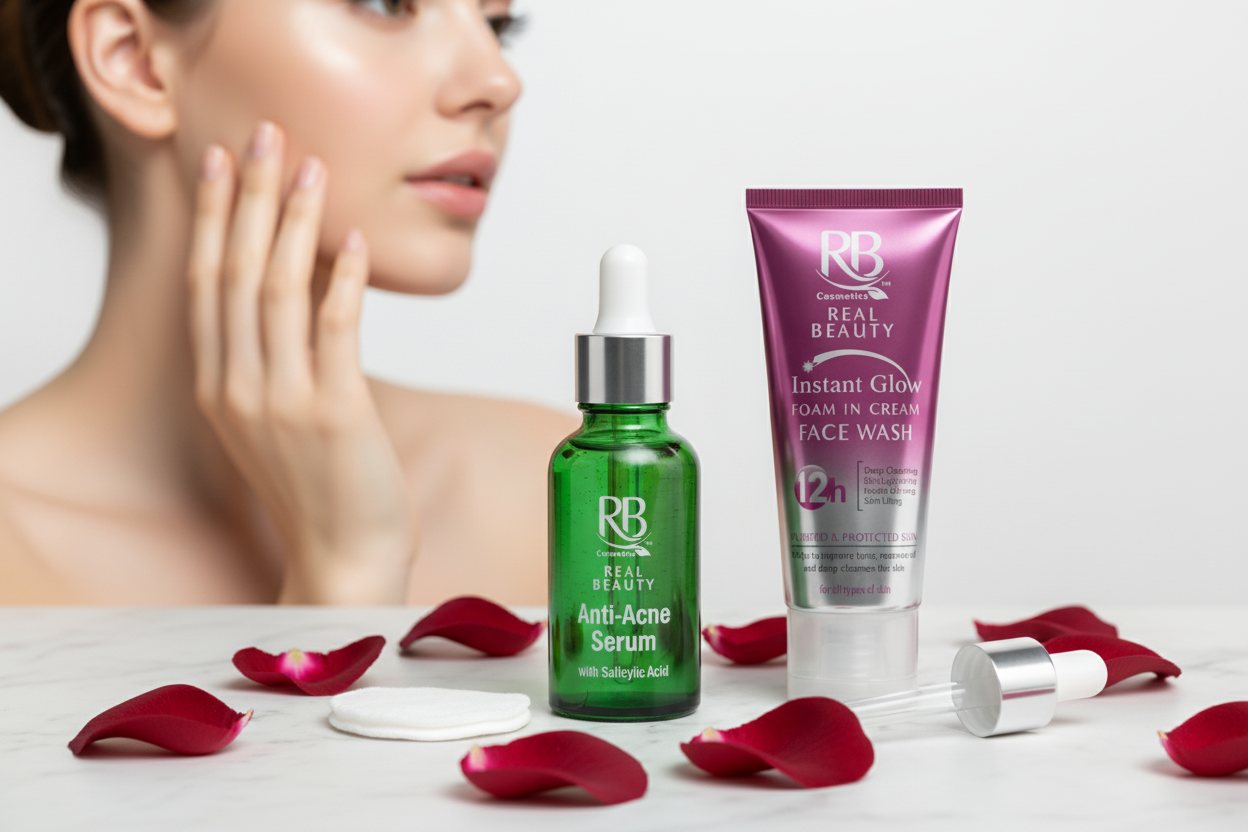
Exfoliation can help reduce congestion, but inflamed acne needs a gentle approach. If active breakouts are sore or cystic, prioritize a non-stripping cleanser and targeted treatments over frequent exfoliation. For a BHA option formulated for acne-prone skin, our Anti-Acne Serum with Salicylic Acid is worth considering.
If you use acne medications that dry the skin, you may need less exfoliation than your oil level suggests. Barrier support can reduce both irritation and breakouts.
How To Tell You Are Exfoliating Enough?
You are likely at a good frequency when your skin feels comfortable and looks steadily smoother without ongoing redness. Makeup sits better, rough patches decrease and products absorb evenly without stinging.
If you are not seeing results after several weeks, the issue may be product choice rather than frequency. A gentle acid at the right pH can outperform a harsh scrub even when used less often.
Conclusion
The right exfoliation schedule depends on your skin type, product strength and how well your barrier is holding up. Dry and sensitive skin usually needs less frequent exfoliation, while oily and acne-prone skin may tolerate a bit more.
Start with a conservative plan, watch for irritation and increase slowly only when your skin stays calm. Prioritize moisturizing and daily sunscreen so exfoliation supports healthy skin instead of stressing it.


