

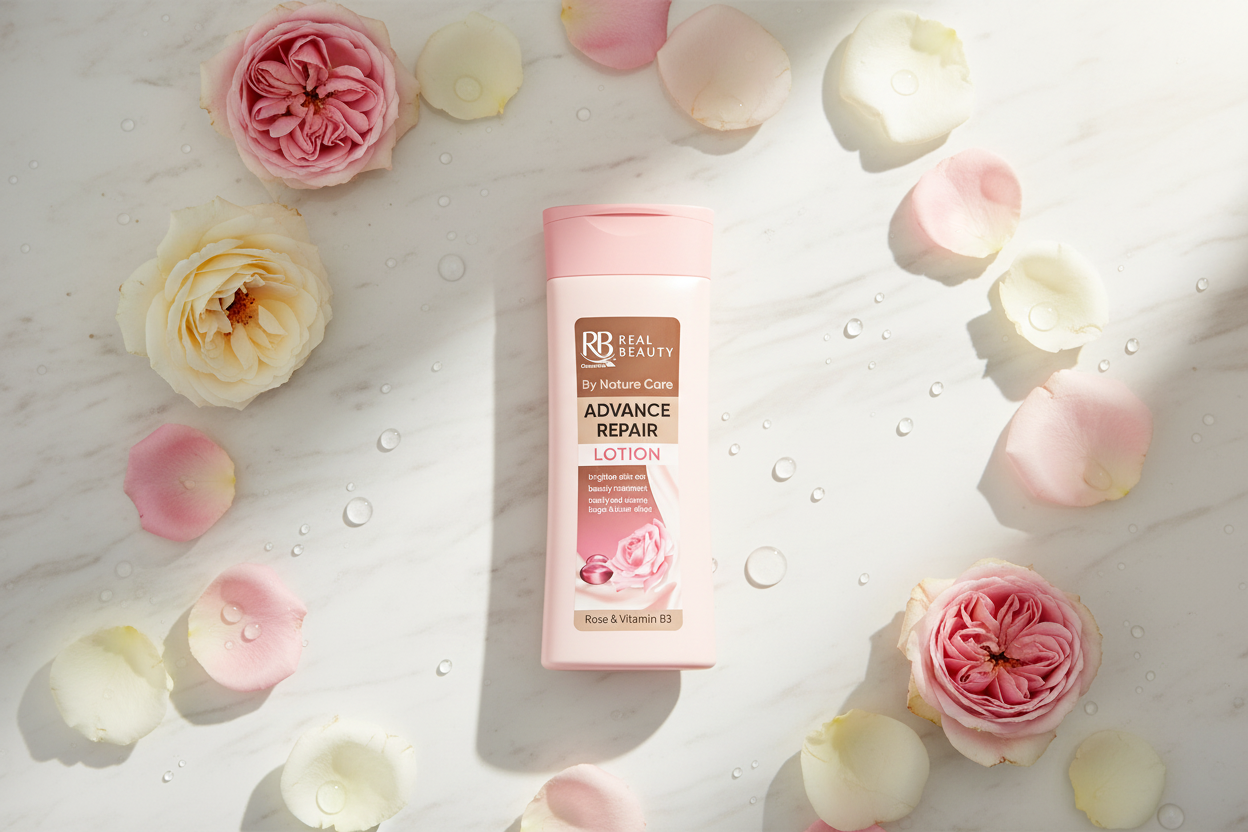
Heat and humidity change how skincare feels on the body. A rich lotion that works in cool weather can turn slick, sticky, or heavy once sweat and sunscreen enter the mix.
A non greasy body lotion for summer should absorb quickly, reduce surface slip, and still keep skin comfortable. The goal is hydration that feels weightless, not a film that transfers onto clothes. Browse our full range of body lotions to find a texture that suits your summer routine.
How Body Lotion Textures Actually Differ?
Texture is more than thickness. It is a mix of oil to water ratio, the type of emulsifiers used, and how fast the formula sets after rubbing it in.
Understanding common texture families helps you shop faster and avoid wasting money on a finish you will not enjoy.
- Gel lotion: High water feel with a cool slip and fast dry down. Often best for humid climates and daytime use.
- Lightweight lotion: Classic pump lotion that spreads easily and settles to a soft finish. Good for normal to combination body skin.
- Milky lotion: Thin, fluid texture that absorbs fast but may need a second layer on very dry areas.
- Cream: Denser texture with more occlusion and cushion. Better for night use or very dry legs and elbows.
- Body butter: High emollient feel and slow absorption. Usually too heavy for a true non greasy summer finish.
Once you know the texture category, you can focus on ingredients that control shine and improve absorption.
Ingredients That Help A Lotion Feel Non Greasy
A fast absorbing body lotion usually relies on humectants for water binding and lightweight emollients for slip. It also uses specific thickeners that create a silky finish instead of waxy drag.
Scanning an ingredient list is not about memorizing every term. It is about spotting a few signals that match the finish you want.
- Humectants: Glycerin, propanediol, hyaluronic acid, and sodium PCA support hydration without oiliness.
- Light emollients: Squalane, coco caprylate, isoamyl laurate, and certain esters give softness with a dry touch.
- Barrier lipids: Ceramides, cholesterol, and fatty acids help reduce tightness so you do not need a heavier layer.
- Powdery finish helpers: Silica and tapioca starch can reduce tack and improve a matte feel on damp summer skin.
- Soothers: Panthenol, allantoin, colloidal oatmeal, and centella can calm heat irritation and friction areas.
If you are acne prone on the body, a lighter ester base often feels better than heavy butters. A fragrance free formula can also reduce the chance of redness when you sweat.
Ingredients That Often Cause A Greasy Or Sticky Finish
Greasy does not always mean bad. It often means the formula is more occlusive, which can be helpful for very dry skin, but it can feel uncomfortable in summer.
Knowing common culprits helps you predict feel before you buy.
- Heavy occlusives: Petrolatum, mineral oil, and high levels of waxes can leave a noticeable film.
- Rich butters: Shea and cocoa butter can feel thick and slow to sink in during hot weather.
- High fragrance load: Strong perfume can sting on freshly shaved skin or under sweat.
- Very high fatty alcohol content: Cetyl alcohol and cetearyl alcohol are not harmful, but in some formulas they can feel waxy.
You do not need to avoid these forever. You just want to match them to the right body zones and time of day.
Choose The Right Texture For Your Skin Type

Body skin can be mixed even if your face is oily or dry. Many people have dry shins, normal arms, and rough patches on elbows or knees.
Pick a base texture first, then adjust for problem areas with targeted layering. For a complete summer body care routine, explore our skin care collection for complementary products.
- Oily or acne prone body skin: Gel lotion or milky lotion with a quick dry down and minimal heavy oils.
- Normal skin: Lightweight lotion with glycerin and a small amount of squalane for softness.
- Dry or flaky skin: Lightweight lotion plus barrier lipids, then a small amount of richer cream on the driest zones.
- Sensitive skin: Fragrance free, dye free, and soothing ingredients like panthenol or colloidal oatmeal.
This approach keeps the overall feel non greasy while still supporting comfort where you need it most.
Match Lotion Texture To Summer Activities
What you do after applying lotion matters. Clothing, workouts, beach days, and air conditioning can all change what feels right.
Think about timing and friction points so the product works with your day instead of against it.
- Morning under clothes: Choose a fast absorbing body lotion with a dry touch so fabric does not cling.
- Before workouts: Use a lighter layer on areas that rub to reduce pilling and sweat tack.
- After shower at night: You can tolerate a slightly richer texture because transfer risk is lower.
- After sun exposure: Pick a soothing, fragrance free lotion and avoid strong actives on warm, sensitized skin.
Once you align texture with lifestyle, it is easier to stay consistent, which improves long term smoothness.
Texture And Finish Guide Table
This table compares common summer friendly textures and how they behave on skin. Use it to narrow down what to test first.
| Texture Type | Best For | Typical Finish |
|---|---|---|
| Gel Lotion | Humid weather, oily body skin, daytime | Cooling, fast set, low shine |
| Milky Lotion | Normal skin, quick routines, layering under SPF | Very light, minimal residue |
| Lightweight Lotion | Most skin types, daily all over use | Soft satin, comfortable, low tack |
| Rich Cream | Dry legs, elbows, night use | More cushion, slower absorption |
If you want the least greasy feel, start with gel lotion or milky lotion, then add richness only where needed.
How To Apply Lotion So It Stays Non Greasy?
Application technique can turn a good formula into a sticky one. Summer skin often has more surface moisture, which changes how a lotion emulsifies and sets.
Use a simple process that supports fast absorption.
- Apply On Slightly Damp Skin. Pat skin with a towel and leave a little moisture so humectants bind water quickly.
- Use Smaller Amounts First. Start with a thin layer and add more only on dry areas to prevent residue.
- Warm It Between Palms. Rubbing lotion briefly helps it spread evenly and reduces over application in one spot.
- Give It A Short Set Time. Wait a minute before dressing so the formula can form a smooth, non tacky finish.
These small adjustments often matter more than switching products, especially in high humidity.
Common Summer Problems And What To Do
Even a non greasy body lotion for summer can misbehave if it conflicts with other products. Sunscreen, deodorant, body sprays, and self tanner can all affect texture.
Fix issues by changing order, amount, or the zone where you apply.
- Pilling on arms or legs: Use less lotion, let it set fully, and avoid rubbing sunscreen aggressively on top.
- Sticky feel by midday: Switch to a gel lotion base or look for silica or starch that reduces tack.
- Shine on chest or back: Choose a lighter ester based lotion and keep richer creams for shins only.
- Stinging after shaving: Use fragrance free lotion with panthenol and avoid strong exfoliating acids right after hair removal. Pairing lotion with a gentle body scrub a few times a week can also help keep skin smooth and reduce ingrown irritation.
Small product pairing changes can keep skin comfortable without sacrificing a clean finish.
What To Look For On Labels Without Overthinking It?

Packaging claims can be vague, so focus on simple signals. Words like fast absorbing, dry touch, and lightweight usually point toward a lower residue formula.
Also check the container type. Pumps often house lighter lotions, while jars often indicate thicker creams, though there are exceptions.
- Finish claims: Non greasy, quick absorbing, weightless, or matte feel.
- Skin benefits: Barrier support, ceramides, soothing, or sensitive skin friendly.
- Preference filters: Fragrance free, dermatologist tested, or non comedogenic for body breakouts.
Once the label matches your needs, ingredients and texture can confirm the choice.
Conclusion
The best non greasy body lotion for summer feels light, absorbs fast, and keeps skin comfortable through heat and humidity. Gel lotions and lightweight lotions usually deliver the cleanest finish, while richer creams work better as spot treatments.
Choose texture first, prioritize humectants and light emollients, and apply on slightly damp skin in thin layers. With the right match, hydration becomes easy to wear all day.


