

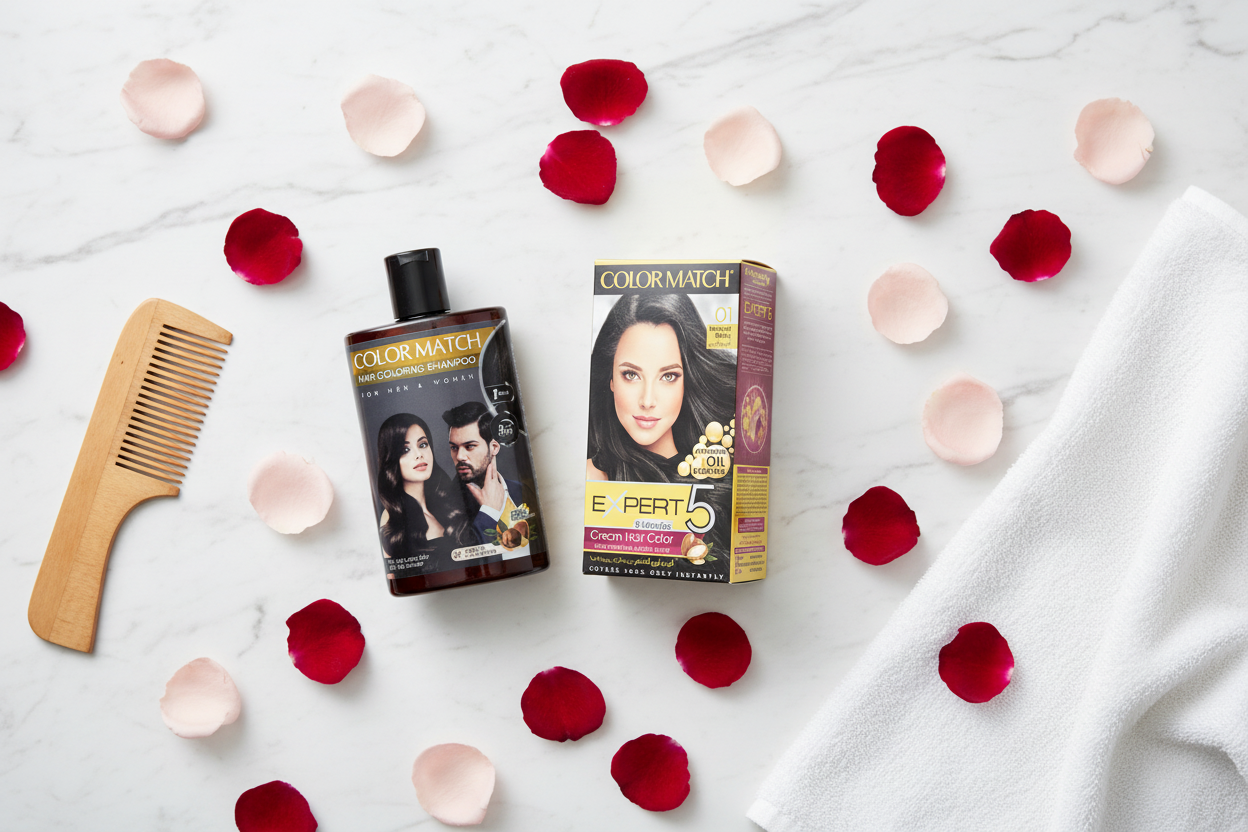
Home hair color keeps getting easier, but the format you pick still matters. Hair coloring shampoo and cream hair color differ in prep, application control and how predictable the final shade feels.
This guide focuses on what most people care about at home - speed, mess, even coverage and how forgiving the process is. It also highlights safety basics so results look intentional, not accidental.
What Hair Coloring Shampoo Is And How It Works?

Hair coloring shampoo is a color-depositing cleanser designed to add or refresh pigment while you wash. It typically relies on direct dyes that sit on or near the hair cuticle rather than fully changing natural pigment.
Because it behaves like a wash product, it is often used for toning, maintaining color between salon visits and softening the look of early grays. Many formulas build gradually, so the change can be subtle at first.
What Cream Hair Color Is And How It Works?
Cream hair color is a thicker dye mixture applied to dry hair, usually with a developer that helps the color penetrate. It is made for full coverage, stronger shade shifts and more durable results.
This format can be permanent, demi-permanent, or semi-permanent depending on the system. The cream texture helps it cling to sections, which can improve control when covering roots or resistant gray.
Ease Of Use At Home
If ease means fewer tools and less cleanup, hair coloring shampoo often wins. You can apply it with gloved hands in the shower, then rinse like a normal wash.
If ease means more precise placement and even saturation, cream hair color can feel simpler once you learn sectioning. The tradeoff is extra prep time, a bowl or bottle and more careful rinsing to avoid stains.
Time, Mess And Setup

Hair coloring shampoo usually has the lightest setup. You still need gloves and attention to timing, but you can keep it inside your normal shower routine.
Cream hair color takes more staging, especially for roots, mid-lengths and ends. The payoff is a more controlled process when you need consistent coverage across the whole head.
| Factor | Hair Coloring Shampoo | Cream Hair Color |
|---|---|---|
| Setup | Minimal tools, shower-friendly | Gloves, clips, applicator, careful staging |
| Application Control | Lower precision, broad coverage | High precision with sectioning and brush or bottle |
| Coverage Strength | Best for refresh, toning, soft gray blending | Best for full gray coverage and bigger shade shifts |
| Maintenance | Frequent use to maintain tone | Less frequent full applications, root touch-ups |
The main choice comes down to whether you want a quick routine product or a dedicated color session. Knowing your goal upfront reduces surprises.
Coverage And Gray Blending
Hair coloring shampoo can help blend scattered grays and reduce brassiness in lightened hair. It may not fully cover stubborn gray, especially along the hairline and temples where hair can be coarser.
Cream hair color is better suited for reliable gray coverage, particularly permanent formulas. Its thicker consistency can keep the dye from slipping off resistant areas, which supports a more even deposit.
Color Results And Predictability
Hair coloring shampoo results are often more gradual and can shift with each wash. That makes it forgiving, but it can also feel inconsistent if you apply unevenly or vary your timing.
Cream hair color tends to be more predictable when you follow the timing and fully saturate each section. It is still sensitive to starting level, porosity and previous color history, so strand testing matters.
Application Technique And Learning Curve
Hair coloring shampoo has a short learning curve. The key skill is distributing it evenly, paying attention to areas that grab pigment fast, such as porous ends or pre-lightened sections.
Cream hair color requires basic sectioning and a plan for roots versus lengths. Once you practice, it becomes repeatable and often easier to keep consistent than a fast, all-over scrub method.
Hair Condition And Damage Risk
Many hair coloring shampoos are gentler because they usually do not rely on high-lift chemistry. They can still be drying if used too often, especially on curly hair or hair that is already porous.
Cream hair color can be more stressful on hair, especially permanent dye with developer. Proper processing time, conditioning and avoiding overlapping on previously colored lengths help limit damage and breakage.
Skin Staining And Cleanup
Hair coloring shampoo can stain nails, cuticles and grout if you are careless, but cleanup is usually quick. Gloves and a fast rinse of shower surfaces keep it manageable.
Cream hair color is more likely to stain because it sits longer and can smear during application. A thin barrier of petroleum jelly around the hairline and wiping drips immediately reduce staining.
How To Choose Based On Your Goal?
The easiest option is the one that matches your end result. A quick product that cannot reach your target shade will feel harder in the long run.
- Refresh And Tone. Choose hair coloring shampoo if you want to reduce brassiness, deepen a faded shade, or keep highlights looking clean.
- Cover Grays Reliably. Choose cream hair color if your priority is strong gray coverage, especially at the roots and hairline.
- Major Shade Change. Choose cream hair color when you need a noticeable shift, more uniform deposit, or a longer-lasting result.
- Low Commitment. Choose hair coloring shampoo if you prefer gradual change and easier corrections if you go too dark.
Once your goal is clear, the choice between these formats becomes straightforward. The rest is about preparation and consistency.
Tips For Better At-Home Results

Both methods improve with a few habits that reduce patchiness. Small adjustments in timing and distribution often matter more than chasing the strongest formula.
- Patch Test First. Check skin sensitivity before applying any dye product to your scalp.
- Strand Test For Shade. Confirm tone and depth on a hidden section, especially on porous or previously colored hair.
- Use Gloves And Clips. Gloves prevent stains and clips help with even coverage, even for shampoo-style color.
- Match Timing Every Time. Consistent minutes on hair gives more consistent color, especially with buildable shampoo pigments.
- Protect Your Ends. Porous ends can grab darker pigment fast, so apply less product there or shorten contact time.
These basics support cleaner results and make touch-ups less stressful. They also help you avoid over-processing and dryness.
Maintenance And Long-Term Convenience
Hair coloring shampoo is convenient for ongoing maintenance because it fits into a routine. The downside is that you may need to use it regularly to keep the tone steady.
Cream hair color is less frequent but more of an event. Many people find it easier to do a scheduled root touch-up than to manage weekly tone shifts.
Conclusion
Hair coloring shampoo is usually easier to use at home when you want quick toning, gradual color and simple cleanup. Cream hair color is often easier when you need precision, dependable gray coverage and a more predictable end shade.
Pick the format that matches your goal, then stick to consistent timing and even distribution. That approach delivers the best at-home color with the least frustration.


