

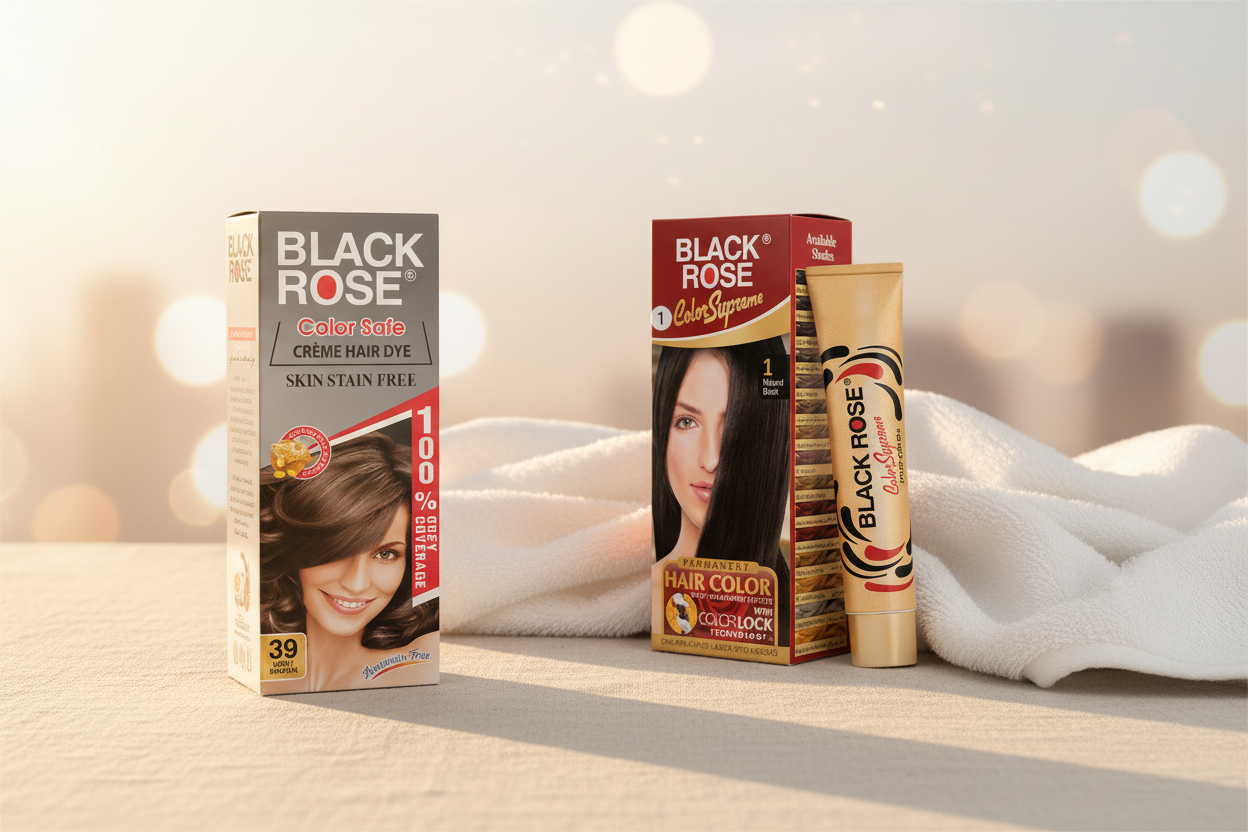
The first week after coloring is when your hair and scalp settle and your new shade starts to show its true tone. A few small habits during these seven days can help reduce fading, keep shine and prevent dryness.
This guide focuses on practical care that supports both salon color and at-home dye. It also works for highlights, balayage, all-over color and gray coverage.
Why The First Seven Days Matter?

Freshly colored hair is often more porous, especially if lightener was used or if you chose a high-lift shade. That porosity can make moisture leave faster and make pigments rinse out more easily.
Your scalp can also feel slightly sensitive from the service, even when everything went smoothly. Gentle cleansing and lower heat help keep irritation and dryness from building up.
Day One And Day Two Care
On the first day, treat your hair like delicate fabric. Avoid hot water, heavy friction and tight styles that stress the hairline.
If your stylist advised waiting before washing, follow that timing. When in doubt, delaying shampoo for a short window usually helps the color settle and reduces premature fading.
- Keep Hair Dry When Possible. Skip steam rooms, long hot showers and soaking baths that saturate hair and swell the cuticle.
- Avoid Heat Styling. If you must style, use the lowest effective temperature and keep tools moving.
- Hands Off The Hairline. Avoid scratching or aggressive brushing if your scalp feels tight or itchy.
These early choices set the tone for the rest of the week and make later wash days easier.
When To Wash And How To Do It?

Your first wash should be gentle and quick. Use lukewarm water, focus shampoo on the scalp and let the lather rinse through the lengths without scrubbing.
Conditioner belongs mostly mid-length to ends, where dryness shows up first. If you have fine hair, use a lightweight conditioner and rinse well to avoid limp roots.
- Detangle Before Wetting. Use a wide-tooth comb on dry hair to reduce snapping when hair is most fragile.
- Rinse With Lukewarm Water. Hot water can lift the cuticle and speed up color loss.
- Shampoo The Scalp Only. Massage lightly with fingertips and avoid piling hair on top of your head.
- Condition Strategically. Apply to mid-lengths and ends, then use a short soak time for better slip.
- Cool Rinse Briefly. A short cool rinse can help hair feel smoother and look shinier.
Once your wash technique is gentle, product choice becomes the next big lever for color longevity.
Shampoo And Conditioner Choices For Color Safety
Choose a color-safe shampoo with a mild cleansing base, especially in the first week. Clarifying shampoos, strong anti-dandruff formulas and harsh degreasers can strip pigments and leave hair feeling rough.
If your color is vivid, copper or fashion toned, consider alternating in a color-depositing conditioner as directed. Keep it even and controlled so the tone stays consistent.
- Sulfate-Free Or Low-Sulfate Cleansers. These tend to be gentler on the hair shaft and reduce fade for many people.
- Acidic Or pH-Balanced Conditioners. These can help hair feel smoother and reduce frizz after chemical services.
- Protein And Moisture Balance. Use protein sparingly if hair feels stiff and lean into moisture if ends feel papery.
As products get more targeted, timing becomes just as important as ingredients.
Heat Styling And Tool Settings

Heat can dull shine and shift tone, especially on lightened hair where the surface is more vulnerable. In the first seven days, use heat only when you need it and keep contact time short.
Always apply a heat protectant that coats evenly, then dry hair fully before using a flat iron or curling iron. Passing an iron over damp hair can cause bubbling damage and fast breakage.
- Lower Temperatures. Choose the lowest setting that achieves your style without repeated passes.
- Fewer Passes. One slow pass is usually safer than several quick ones.
- Clean Tools. Product buildup on plates can scorch hair and leave dull patches.
When heat is under control, a few daily habits can protect color between washes.
Daily Habits That Prevent Fading
Fading is often a mix of water, friction, UV and product residue. Small changes at home add up quickly across the first week.
Use a soft microfiber towel or a cotton T-shirt to squeeze water out instead of rubbing. If you have long hair, a loose braid reduces tangles and prevents ends from fraying on clothing.
- Limit Sun Exposure. Wear a hat or use a UV-protecting leave-in if you spend time outdoors.
- Avoid Chlorine And Salt. Swimming can shift tone and dry hair fast, especially on blonde or red shades.
- Keep Styling Products Light. Heavy waxes and sprays can require stronger shampooing later.
These habits support both shine and softness, which are the biggest markers of fresh-looking color.
What To Do If Your Scalp Feels Sensitive?
Mild tightness can happen after coloring, particularly if you had a full root application or a longer processing time. Avoid strong exfoliating scalp scrubs during the first week.
If you feel dryness, use a gentle, fragrance-light conditioner near the scalp edges and rinse well. Persistent burning, swelling or rash needs professional guidance rather than home experiments.
First Week Schedule You Can Follow
A simple plan helps you avoid over-washing and over-treating. Adjust it based on oiliness, hair texture and whether your hair was lightened.
| Day Range | Primary Goal | Best Actions |
|---|---|---|
| Day 1 | Let Color Settle | Keep hair dry, avoid heat, minimize friction |
| Day 2 | Protect Shine | Use leave-in conditioner, gentle brushing, loose styles |
| Day 3 To 4 | First Gentle Cleanse | Lukewarm rinse, color-safe shampoo, conditioner on ends |
| Day 5 To 7 | Stabilize Tone And Hydration | Limit washes, add a mask once, keep heat low and quick |
With a schedule in place, the final piece is choosing treatments that repair without weighing hair down.
Masking And Treatments Without Overdoing It

One deep conditioning mask in the first week is often enough, especially for lightened hair. Apply it after shampoo, squeeze out excess water and distribute evenly through the ends.
If your hair feels stretchy when wet, choose a bond-supporting treatment and keep follow-up styling gentle. If hair feels brittle, focus on moisture and slip rather than strong protein back-to-back.
- Hydrating Masks. Best for dryness, rough texture and dullness after lightening.
- Bond-Focused Treatments. Useful when hair snaps easily or feels weaker than usual.
- Lightweight Leave-Ins. Help with detangling and reduce friction during the week.
Balanced treatment keeps your color looking smoother and more reflective, which makes the shade appear richer.
Common Mistakes To Avoid In The First Week
Most fading issues come from a few predictable habits. Fixing them early prevents long-term dryness and uneven tone.
- Hot Water Washes. Heat and long rinses speed up color loss and frizz.
- Clarifying Too Soon. Strong cleansers can pull out fresh pigments and make hair feel coarse.
- Overusing Purple Or Toning Products. Too much can dull brightness or create a muddy cast.
- Tight Ponytails On Damp Hair. This can leave dents and stress weakened strands.
When you avoid these pitfalls, your hair stays softer and your tone stays closer to what you paid for.
Conclusion
The first seven days after coloring are about gentle cleansing, low heat and steady hydration. Wait to wash if advised, use color-safe products and keep water temperature lukewarm.
Protect hair from friction, sun and harsh cleansers and add only one targeted mask if needed. With consistent care, your color stays vibrant longer and your hair feels healthier between appointments.


