

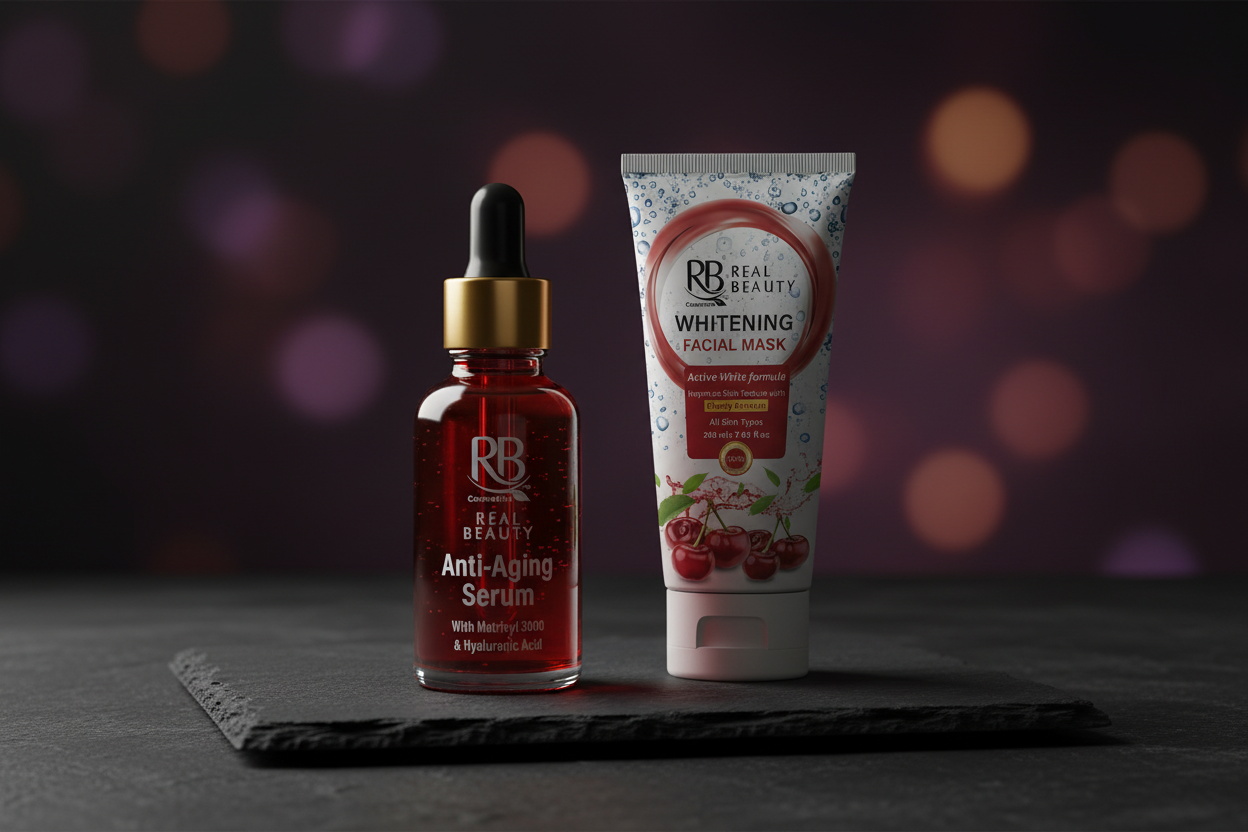
Layering serum, face mask and moisturizer can improve hydration and glow, but the wrong order can trigger stinging, redness and breakouts.
The goal is simple. Support the skin barrier, reduce friction and avoid piling too many strong actives into one routine.
Why Layering Can Irritate Skin?
Irritation often comes from mixing too many exfoliating acids, retinoids, or high-fragrance products in a short window. Even gentle formulas can feel harsh when applied on damp, freshly cleansed skin.
Texture conflicts also matter. Heavy creams over silicone-rich serums can pill and repeated rubbing to fix pilling can inflame sensitive skin.
Start With A Calm Base
Cleanse with a mild, low-foaming cleanser and lukewarm water. Hot water and harsh surfactants raise dryness and can make later layers sting.
Pat dry with a soft towel and avoid scrubbing. Leaving the skin slightly damp is helpful for hydrating products, but very wet skin can increase penetration and sensitivity.
Choose The Right Serum Texture

Serums are designed to deliver concentrated ingredients in a lightweight base. The safest approach is to keep the serum step targeted and minimal, especially when you also plan to mask.
Hydrating serums with glycerin, hyaluronic acid, panthenol and beta-glucan are usually the easiest to layer. Stronger active serums with retinoids, high-strength vitamin C, or exfoliating acids require more caution.
Serum Types That Layer Well
- Hydrating serum: Supports moisture and reduces tightness so later steps feel comfortable.
- Barrier serum: Often includes ceramides, cholesterol and fatty acids to reinforce resilience.
- Soothing serum: Ingredients like centella, allantoin and colloidal oatmeal can lower the chance of sting.
Once you know your serum type, matching it with the right mask becomes much easier.
Face Mask Timing That Prevents Redness

Masks are not all used the same way. Some are rinse-off and reset the skin, while others are leave-on and function like a treatment or moisturizer.
If your skin gets irritated easily, avoid stacking multiple intense steps in one session. A simple plan is to choose either a strong serum or a strong mask, not both.
Rinse Off Masks And Leave On Masks
- Rinse-off clay mask: Best for oil control, but can over-dry if left too long or used too often.
- Rinse-off cream mask: Often hydrating and can pair well with a gentle serum afterward.
- Sheet mask: Usually hydrating and can be followed by moisturizer to seal in water.
- Leave-on sleeping mask: Acts like a final layer and often replaces moisturizer.
Mask type influences the order of application and how much product your skin can tolerate.
The Correct Order For Serum Mask And Moisturizer

The order depends on whether the mask is rinse-off or leave-on. The guiding rule is to apply leave-on products from thinnest to thickest and apply rinse-off treatments before your leave-on layers.
Give each layer time to settle. Rushing increases rubbing, which is a common trigger for flushing and pilling.
Order For Rinse Off Masks
- Cleanse gently. Remove sunscreen, makeup and residue so the mask applies evenly.
- Apply the rinse-off mask. Keep contact time moderate and stop early if you feel burning or strong itch.
- Rinse and pat dry. Use cool to lukewarm water and avoid aggressive towel friction.
- Apply serum. Use a light layer and press into skin rather than rubbing.
- Seal with moisturizer. Lock in water and reduce transepidermal water loss.
This sequence reduces the chance that the mask drives serum ingredients too deeply and triggers sensitivity.
Order For Sheet Masks
- Cleanse gently. Start with clean skin to avoid trapping debris under the sheet.
- Apply serum only if needed. Keep it minimal, since the sheet mask already adds concentrated essence.
- Apply the sheet mask. Keep the time within the product guidance and avoid letting it dry out fully.
- Press in leftover essence. Use light pressing motions rather than repeated swiping.
- Apply moisturizer. Choose a barrier-friendly cream to prevent evaporation.
With sheet masks, moisturizer is the key step that turns temporary hydration into longer-lasting comfort.
Order For Leave On Sleeping Masks
- Cleanse gently. Avoid stripping so the sleeping mask can work without sting.
- Apply serum. Keep to one main serum to avoid overloading the skin.
- Apply the sleeping mask. Use a thin layer, since thick layers can trap heat and feel irritating.
Many sleeping masks already contain occlusives. If your skin feels greasy or congested, skip moisturizer on those nights.
Wait Times And How Much Product To Use?
Applying too much product is a common reason for pilling and discomfort. Thin layers work better than one heavy layer, especially for silicone-based serums and gel creams.
Short wait times help each layer set without drying the skin out. If you wait until a serum is fully tacky, you may rub more to spread moisturizer and trigger irritation.
| Layer | Amount To Use | Wait Time |
|---|---|---|
| Serum | 1 to 2 pumps or a pea-sized amount | 30 to 60 seconds |
| Sheet Mask Essence | Press in a thin leftover layer | 60 seconds before moisturizer |
| Moisturizer | Pea to nickel-sized amount | Apply after serum feels slightly absorbed |
| Sleeping Mask | Thin even layer | Apply as the last step |
Use this as a baseline and adjust based on your skin type, climate and how heavy your formulas feel.
Ingredient Pairings That Commonly Cause Problems

Some ingredients are effective but more likely to irritate when layered tightly together. The risk rises if your skin barrier is already compromised from over-cleansing, sun exposure, or frequent exfoliation.
If you want to use multiple actives, spread them across different days rather than stacking them in one routine.
Combinations To Approach Carefully
- Strong acids with retinoids: Can increase dryness, peeling and burning sensations.
- High-strength vitamin C with exfoliating acids: May trigger sting in reactive skin and disrupt comfort.
- Fragrance-heavy products with actives: Adds avoidable irritation potential during a high-penetration routine.
- Multiple leave-on exfoliants: Raises the chance of over-exfoliation and long-term sensitivity.
Keeping your routine simple on mask days helps you get benefits without the rebound redness.
Moisturizer Choices That Reduce Irritation
Moisturizer is where many routines succeed or fail. A good moisturizer reduces water loss and calms the skin after treatment steps.
Look for barrier-support ingredients such as ceramides, squalane, glycerin, urea in low percentages and petrolatum for very dry areas. If you are acne-prone, lighter gel creams with niacinamide can feel comfortable, but stop if niacinamide causes flushing for you.
What To Avoid When Skin Is Reactive?
- Alcohol-heavy formulas: Can increase sting and worsen dryness.
- Strong essential oils: Adds fragrance irritants that can trigger redness.
- Overly matte finishes: Often rely on powders that can feel drying after masks.
When in doubt, choose a plain, fragrance-free moisturizer and let your serum and mask do the specialized work.
How Often To Mask Without Overdoing It?
Frequency should match your skin’s tolerance, not the label hype. Over-masking can lead to tightness, flaking and sensitivity that makes every product feel irritating.
Hydrating sheet masks are often tolerated more frequently than clay or exfoliating masks. Clay masks and strong treatment masks usually work best when used less often and for shorter contact time.
Signs Your Skin Is Getting Irritated
Early warning signs help you adjust before you end up with a damaged barrier. Pay attention to mild symptoms, not only obvious reactions.
Common signals include persistent tightness, burning with bland products, new patchy redness, sudden flaking, or increased breakouts after adding layers.
Conclusion

To layer serum, face mask and moisturizer without irritating your skin, keep the routine gentle, apply thin layers and choose either a strong serum or a strong mask on the same day.
Use rinse-off masks before serum and moisturizer and treat sleeping masks as your final step. When your skin feels sensitive, prioritize barrier support, reduce actives and let consistency beat intensity.


