

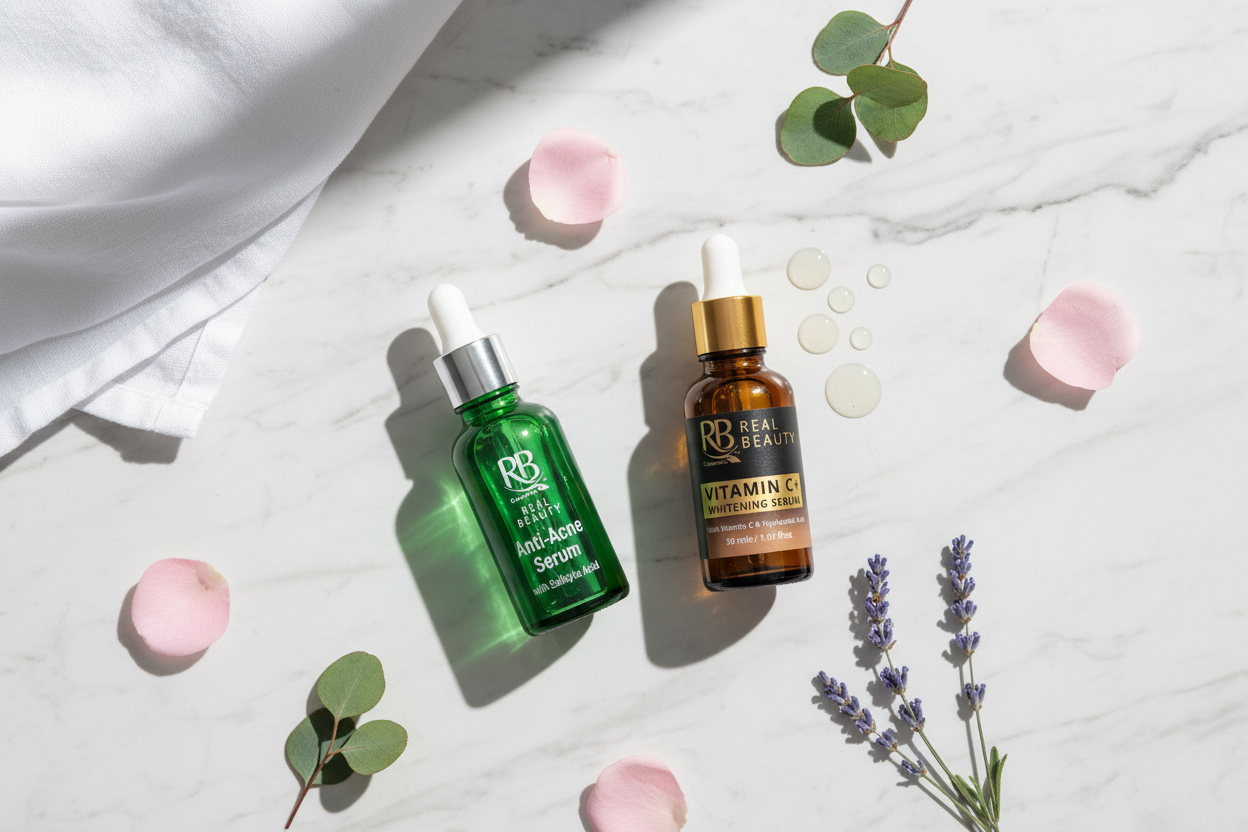
Acne marks and dark spots usually come from inflammation that triggers extra melanin. The result is uneven tone that can linger long after active breakouts calm down.
Not every spot is the same. Post-inflammatory hyperpigmentation looks brown, tan, or gray, while post-inflammatory redness looks pink or red and often fades with gentle barrier care.
What Makes Spots Fade Faster?
Your skin needs consistency, low irritation and daily sun protection to fade discoloration. Quick fixes often backfire by causing more inflammation and deeper pigment.
Focus on a routine that supports cell turnover, calms active acne and blocks UV and visible light. This approach improves texture and tone while lowering the chance of new marks.
Daily Morning Routine

The morning routine should be light, protective and non-stripping. The goal is to prevent dark spots from getting darker and to support steady brightening.
Keep layers thin so your sunscreen forms an even film. If your skin stings, reduce actives and prioritize barrier repair for a week.
- Gentle cleanser: Use a mild, fragrance-free cleanser to remove sweat and oil without squeaky tightness.
- Brightening serum: Choose one key active such as niacinamide, azelaic acid, or vitamin C if your skin tolerates it.
- Moisturizer: Look for ceramides, glycerin and panthenol to keep the barrier stable.
- Broad-spectrum sunscreen: Use SPF 30 or higher daily and reapply when outdoors or near windows for long hours.
Once your morning routine feels comfortable, you can fine-tune actives based on sensitivity and how dark your marks are.
Daily Night Routine
Night is the best time to use treatments that increase turnover and improve discoloration. A steady plan beats rotating many strong products that irritate your skin.
If you wear sunscreen or makeup, cleansing well matters. Poor removal can trap oil and lead to more breakouts and more marks.
- Cleanse thoroughly: Use one gentle cleanse, or double cleanse if you wear heavy sunscreen, then rinse well.
- Targeted treatment: Rotate a retinoid or an exfoliant on separate nights based on tolerance.
- Moisturize: Seal in hydration to reduce dryness and peeling that can worsen the look of spots.
- Spot support: Use hydrocolloid patches on active pimples to reduce picking and lower new marks.
After a few weeks, the routine should feel easy to repeat. Consistency is what gradually smooths texture and lifts discoloration.
Key Ingredients That Help Acne Marks

Choose one or two proven ingredients and give them time. Mixing too many actives often causes irritation, which can make hyperpigmentation worse.
These ingredients can fit into home care when used carefully and consistently.
- Niacinamide: Helps regulate oil, supports the barrier and can improve uneven tone over time.
- Azelaic acid: Calms inflammation, supports acne control and helps fade brown marks with good tolerance for many skin types.
- Retinoids: Support cell turnover and collagen, improving both spots and texture, but require a slow start to avoid irritation.
- Salicylic acid: Unclogs pores and reduces breakouts, lowering the chance of fresh marks, best for oily or acne-prone skin.
- Glycolic or lactic acid: Smooths texture and helps with dullness, but use less often if you are sensitive.
- Tranexamic acid: Helps stubborn discoloration and uneven tone, often paired with gentle hydrators.
When you introduce a new active, start with fewer nights per week. Increase only if your skin stays calm and comfortable.
How To Layer Products Without Irritation?
Layering is less about a long routine and more about choosing compatible products. The safest approach is to keep the number of actives low and the hydration high.
Apply from thinnest to thickest and wait a minute between layers if you pill or sting. If irritation appears, simplify to cleanser, moisturizer and sunscreen until your skin settles.
| Goal | Best Time To Use | Gentle Options |
|---|---|---|
| Prevent New Marks | Morning Daily | SPF 30 plus, ceramide moisturizer |
| Fade Brown Spots | Morning Or Night | Niacinamide, azelaic acid, tranexamic acid |
| Improve Texture | Night | Low-strength retinoid, lactic acid once weekly |
| Reduce Breakouts | Night Or As Needed | Salicylic acid, hydrocolloid patches |
Use the table to decide what to prioritize based on your main concern. A routine that fits your skin type is easier to maintain long enough to see fading.
Weekly Routine And Exfoliation

Exfoliation can help acne marks and dark spots, but too much slows progress. Over-exfoliated skin gets inflamed, dehydrated and more prone to post-acne discoloration.
Most people do well with one to three exfoliation sessions per week depending on product strength and skin sensitivity. Keep it predictable and avoid stacking acids with retinoids on the same night.
- Choose one exfoliant type: Pick either an AHA for surface dullness or a BHA for clogged pores.
- Limit contact time: Leave-on products are effective, but start with lower strength and fewer nights.
- Hydrate after: Follow with a bland moisturizer to reduce dryness and tightness.
If peeling or burning happens, pause exfoliation and rebuild your barrier. Once comfortable again, restart slowly with fewer applications.
Sun Protection That Actually Works Indoors And Outdoors
Sunscreen is the most important step for fading acne marks and dark spots at home. UV exposure can darken marks quickly, even when you do everything else right.
Apply enough product to cover face and neck evenly and reapply with extended outdoor time. If you get spots easily, choose non-comedogenic formulas and avoid heavy fragrance.
- Use broad-spectrum SPF: SPF 30 is a solid baseline and higher SPF can be useful for long outdoor hours.
- Reapply when needed: Reapply after sweating, swimming, or spending long periods near bright windows.
- Consider tinted formulas: Iron oxides can help with visible light that may worsen certain types of hyperpigmentation.
When sunscreen becomes a daily habit, your brightening products finally get a fair chance to work.
Habits That Prevent New Marks
Acne marks often come from repeated inflammation and picking. Small daily habits can reduce the number of new spots you need to fade later.
Keep your routine calm and your hands off active breakouts. That single change often improves results more than adding another treatment.
- Avoid picking: Picking increases inflammation and can leave darker, longer-lasting marks.
- Change pillowcases often: Fresh fabric reduces buildup of oil and product residue on your skin.
- Clean phone and eyewear: These surfaces can transfer oil and bacteria to acne-prone areas.
- Introduce actives slowly: Irritation can trigger more pigment and prolong redness.
These habits support your products and protect your skin barrier so marks fade with fewer setbacks.
Common Mistakes That Keep Dark Spots Around
Many routines fail because they are too aggressive or inconsistent. Your skin responds best to a plan you can repeat every day without burning, peeling, or stinging.
Watch for these issues and adjust early rather than pushing through irritation.
- Skipping sunscreen: Brightening ingredients cannot outwork daily UV exposure.
- Using too many actives: Layering acids, retinoids and strong vitamin C can irritate and deepen hyperpigmentation.
- Expecting instant results: Pigment and post-acne marks fade gradually with steady care.
- Over-cleansing: Harsh cleansing strips the barrier and can increase oiliness and breakouts.
When you remove these obstacles, your routine becomes more predictable and easier to stick with.
When To Get Professional Help?
Home care can do a lot, but some cases need guidance. If you have deep acne, painful cysts, or marks that keep worsening, a dermatologist can help you prevent permanent scarring.
Seek help sooner if you notice itching, swelling, or dark patches that spread quickly. It is also smart to ask for advice if you are pregnant or breastfeeding and want safe options for pigmentation.
Conclusion

The best skincare routine for acne marks and dark spots at home is simple, consistent and gentle. Cleanse without stripping, treat with one or two proven actives, moisturize for barrier support and wear sunscreen every day.
Progress builds over weeks as inflammation drops and pigment slowly lifts. Stick with your routine, avoid picking and adjust only when your skin stays calm and comfortable.


