

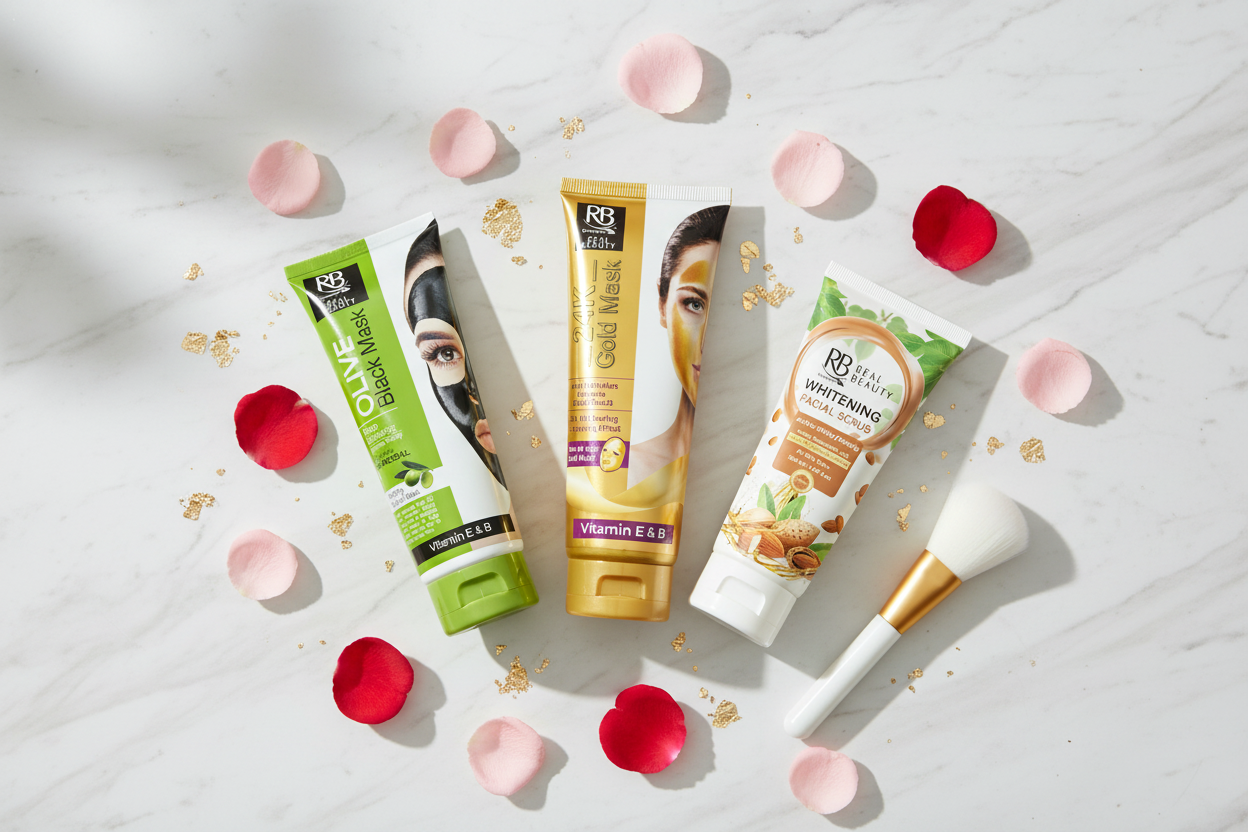
The short answer is face mask after scrub in most home facials. Exfoliating first clears the path so the mask can sit closer to clean, even skin.
Order still matters because scrubbing at the wrong time can trap debris, increase irritation, or waste a good mask. A simple routine keeps your skin barrier calm while improving glow and texture.
Why Order Matters In A Home Facial?

Your skin has a protective barrier made of lipids, water and healthy microbes. The order of cleansing, exfoliating and masking can either support that barrier or overwhelm it.
Scrubs and masks both change how your skin feels and reacts. When they are layered poorly, you can see tightness, redness, stinging, or extra oil as your skin tries to recover.
Face Mask Before Or After Scrub
For most people, the best sequence is cleanse, scrub, then mask. Exfoliation removes surface dead skin and helps the mask spread evenly without clinging to dry patches.
Scrubbing after a mask can undo the mask’s benefits and may irritate skin that is already softened and more sensitive. That is why the default answer remains mask after scrub.
When A Mask Can Go Before A Scrub?
A mask before scrub can make sense when the mask is used as a gentle prep, not a strong treatment. This approach fits very mild, hydrating masks that add slip and reduce the urge to over-scrub.
If you try this, keep the scrub extremely gentle and brief. Stop immediately if you feel stinging, heat, or increased redness.
Correct Order For A Home Facial

A consistent structure helps you get results without overdoing it. Aim for a routine that feels comfortable during and after, not just temporarily smooth.
- Cleanse thoroughly. Use a gentle cleanser to remove sunscreen, makeup and oil so the rest of the routine works on clean skin.
- Optional steam or warm compress. Hold a warm damp cloth on the face for a few minutes to soften buildup and make products spread more evenly.
- Scrub lightly. Massage with minimal pressure for a short time, focusing on rough areas and avoiding active breakouts.
- Rinse and pat dry. Use lukewarm water and a soft towel, leaving skin slightly damp if your mask directions allow.
- Apply face mask. Choose a mask that matches your goal, keep to the timing and avoid letting it dry to a crackly finish.
- Rinse and calm the skin. Remove gently, then apply a soothing hydrator to reduce tightness and support recovery.
- Moisturize and protect. Seal in hydration with moisturizer, then use sunscreen if it is daytime.
Once you know the order, the bigger win is choosing the right strength and frequency. That prevents irritation and keeps results steady.
Choosing The Right Scrub For Your Skin

Not all scrubs are equal. Harsh particles and heavy pressure can cause micro-tears and worsen redness, especially on sensitive or acne-prone skin.
Look for fine, smooth exfoliating particles or very gentle polishing formulas. If you have reactive skin, consider skipping physical scrubs and using a mild chemical exfoliant on a different day.
- Sensitive skin: Choose very mild exfoliation, avoid fragrance and keep contact time short.
- Oily or congested skin: Use a gentle scrub sparingly and focus on areas with texture, not the entire face every time.
- Dry skin: Avoid gritty scrubs and prioritize hydration after exfoliation to prevent tightness.
- Acne-prone skin: Do not scrub inflamed pimples, since rubbing can spread irritation and prolong healing.
Gentle technique matters as much as the formula. Light fingertips, minimal passes and plenty of rinse water reduce friction damage.
Choosing The Right Face Mask After Scrub

After exfoliation, your skin is more receptive and sometimes more reactive. A calming or hydrating mask usually pairs best with scrubbing, especially if you are prone to redness.
Clay masks can work after a scrub, but timing and hydration are key. If a clay mask makes you feel tight, shorten the wear time and follow with a barrier-friendly moisturizer.
- Hydrating masks: Support bounce and comfort after exfoliation, especially for normal to dry skin.
- Clay masks: Help with oil and congestion, but should not be left on until fully dry.
- Soothing gel masks: Good for post-scrub redness or a warm, flushed feeling.
- Exfoliating masks: Use on a different day than a scrub to avoid over-exfoliation.
Read the directions and keep your timing consistent. Overextending mask time rarely improves results and often increases dryness.
How Often To Scrub And Mask?
Frequency depends on your skin type, the strength of the products and how your skin behaves afterward. Most people do best with less than they think.
If you feel stinging during application, tightness that lasts, or increased breakouts, reduce frequency first. Skin improvements come from steady, gentle repetition, not intensity.
- Sensitive or dry skin: Scrub no more than once weekly, mask once weekly or as tolerated.
- Normal skin: Scrub once weekly, mask once or twice weekly depending on goals.
- Oily skin: Scrub once weekly, mask once or twice weekly, with careful hydration afterward.
Keep exfoliation and strong treatments spaced out. Your barrier needs time to rebuild between higher-impact steps.
Common Mistakes That Cause Irritation
Many home facial problems come from stacking too much active care at once. Scrubs, strong masks, hot water and aggressive rubbing can quickly push skin past its limit.
A calmer routine often improves texture and brightness faster because your skin is not busy recovering. Small changes in technique can prevent weeks of dryness or sensitivity.
- Using hot water: Hot water strips oils and can increase redness, especially after exfoliation.
- Scrubbing too long: Extra time increases friction without adding meaningful results.
- Letting masks fully dry: Over-drying can pull water from the skin and leave it tight.
- Layering multiple exfoliants: Combining a scrub with exfoliating acids or retinoids in one session can trigger peeling and burning.
- Skipping moisturizer: Hydration and barrier support are essential after exfoliation and masking.
If irritation happens, stop exfoliation and focus on gentle cleansing and moisturizing for several days. Resume slowly once skin feels normal again.
Quick Reference Home Facial Order Table
| Step | What To Do | Why It Helps |
|---|---|---|
| Cleanse | Use a gentle cleanser and lukewarm water | Removes oil and sunscreen so exfoliation is even |
| Scrub | Massage lightly for a short time, avoid inflamed spots | Smooths texture and clears the path for the mask |
| Mask | Apply evenly and follow timing directions | Targets hydration, oil control, or soothing benefits |
| Moisturize | Use a barrier-friendly moisturizer, add sunscreen if needed | Reduces dryness and locks in comfort after treatment |
Use the table as a simple check before you start. If your skin is reactive, keep the routine shorter and gentler.
Conclusion
If you are choosing between the two, apply the scrub before the face mask for most home facials. Exfoliation first helps the mask perform better and reduces uneven results.
Keep your pressure light, avoid stacking multiple strong treatments and finish with moisturizer. When your skin feels calm afterward, you are doing the order and the intensity correctly.


