

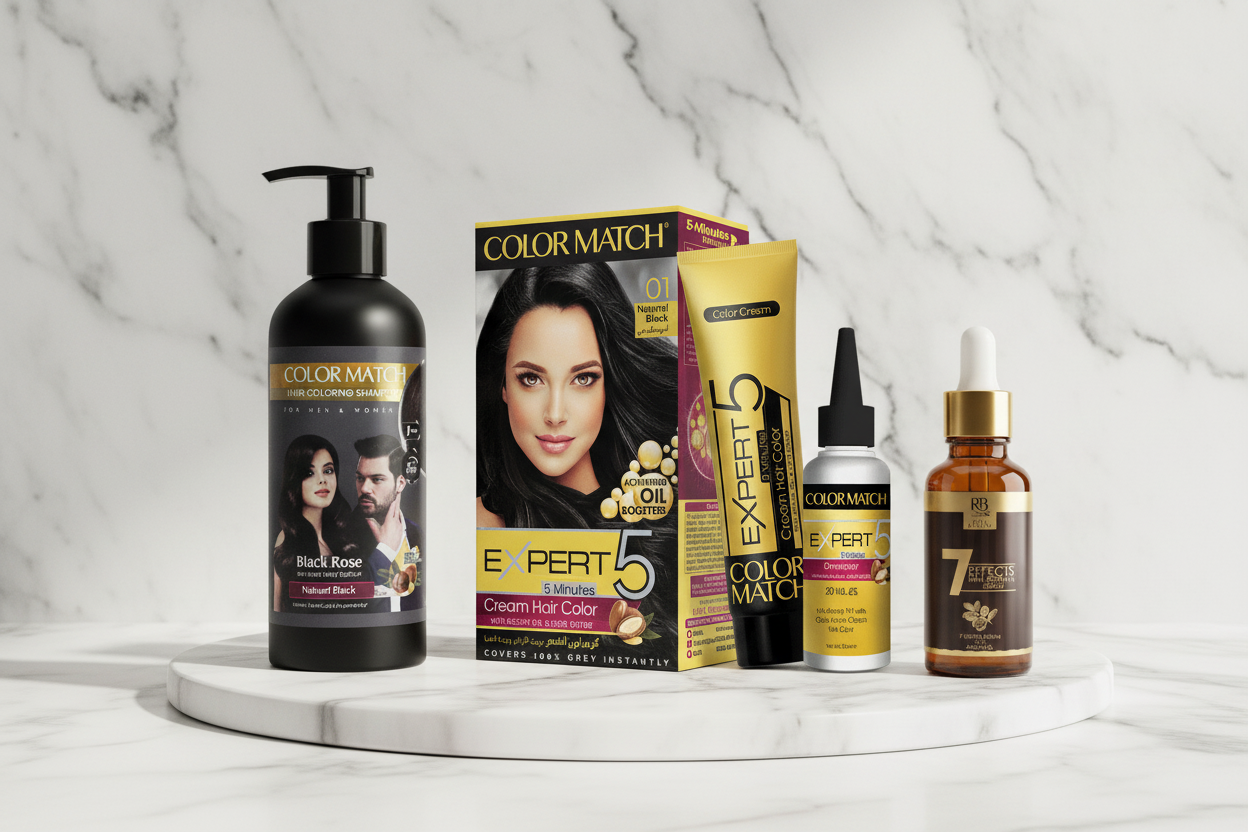
Fresh color looks its best when the hair fiber is smooth, hydrated, and protected from fading triggers. The right routine before and after coloring helps dye bond evenly, reduces dryness, and keeps the surface reflective for long-lasting shine. Small changes in washing, heat styling, and product choice can make the difference between glossy color and a dull, brassy fade.
Hair Care Before Coloring How To Prepare Your Hair Properly

Color results depend on the condition of your cuticle, your scalp comfort, and how much buildup is on the hair. Preparing well makes the shade take more evenly and helps prevent roughness after processing. Aim for balanced moisture, gentle cleansing, and minimal stress on the strands in the week leading up to your appointment.
Start by clarifying once if you use heavy styling products, dry shampoo, silicones, or hard water is common in your area. A clean canvas improves dye distribution and helps reduce patchiness. Follow the clarifier with a rich conditioner or mask to rehydrate the hair so it is not left squeaky or brittle.
Skip aggressive exfoliating scrubs and strong scalp treatments right before coloring. A calm scalp reduces stinging and helps you tolerate processing time better. If you are prone to irritation, choose a gentle shampoo and avoid hot showers for a couple of days beforehand.
- Trim Split Ends. Removing frayed ends reduces tangling and gives a smoother finish that reflects light better.
- Reduce Heat Styling. Less heat in the days before coloring means fewer weak points where color can fade faster.
- Do A Conditioning Mask. Use a mask that focuses on hydration and slip so the hair stays flexible during chemical services.
- Avoid Heavy Oils On Coloring Day. Thick oil layers can interfere with even saturation and make timing less predictable.
Once prep is handled, the first 48 hours after coloring become the next make-or-break window for shine and longevity.
What To Do Immediately After Coloring Your Hair?
The cuticle can stay slightly raised right after coloring, which makes the hair more vulnerable to fading and roughness. Gentle handling and the right products help lock in tone and keep the surface smooth. Focus on sealing moisture, limiting friction, and keeping water exposure controlled.

Wait before your first wash if your colorist recommends it, since many shades benefit from a short settling period. When you do wash, use lukewarm water instead of hot water to reduce swelling of the hair shaft. Cooler rinses help the cuticle lie flatter, which supports shine.
Switch to a sulfate-free, color-safe shampoo and a conditioner with good slip. Look for ingredients that strengthen and smooth such as hydrolyzed proteins, ceramides, amino acids, panthenol, and lightweight silicones if your hair tolerates them. If your scalp is sensitive, prioritize fragrance-light formulas and avoid harsh anti-dandruff actives unless advised.
- Blot, Do Not Rub. Use a soft microfiber towel or cotton tee and press out water to prevent frizz and cuticle damage.
- Apply Leave-In Protection. Use a leave-in conditioner plus heat protectant to reduce breakage and preserve gloss.
- Dry With Controlled Heat. Keep tools on moderate settings and maintain distance to avoid scorching the new color.
With the immediate care in place, your weekly routine can focus on keeping the cuticle smooth and the tone bright between appointments.
Best Routine To Maintain Shine In Dyed Hair
Long-lasting shine comes from a smooth cuticle, consistent hydration, and minimal fading from heat, sun, and minerals. A simple weekly structure keeps results steady without overloading hair with heavy products. Build your routine around gentle cleansing, targeted conditioning, and protective styling habits.
Use a conditioner every wash and a mask once a week, adjusting based on hair porosity and density. High-porosity hair often needs more frequent deep conditioning and occasional protein to reduce softness that feels mushy. Low-porosity hair usually does better with lighter conditioners and heat-free masks to avoid buildup that dulls shine.
- Wash With Cool To Lukewarm Water. This helps keep the cuticle flatter and reduces color bleeding.
- Seal With A Lightweight Serum. Apply to mid-lengths and ends to reduce frizz and boost reflectivity.
- Protect From UV And Chlorine. Use a UV spray and rinse hair after swimming, then condition to restore slip.
- Sleep With Less Friction. A silk or satin pillowcase and loose protective style help prevent dullness from tangling.
Routine wins, but shine can still drop fast when a few common habits keep roughening the cuticle and stripping tone.
Common Mistakes That Make Colored Hair Look Dull
Dullness often comes from a mix of dehydration, buildup, and micro-damage that scatters light. Colored hair can also look flat when tone shifts, such as brassiness in blondes or redness in brunettes. Avoiding the biggest pitfalls keeps the surface smoother and the color truer.
- Overwashing. Too many washes accelerate fading and can leave hair feeling dry and less reflective.
- Hot Tools Without Protection. Direct high heat can burn the cuticle and make color look cloudy.
- Using Harsh Shampoos. Strong detergents can strip dye molecules and disrupt scalp balance.
- Skipping Regular Conditioning. Without slip and moisture, strands roughen and shine drops.
- Hard Water Buildup. Mineral deposits can make hair feel coated and shift tone, especially in lighter colors.
If you recognize any of these, the fix is usually a better product match and a tighter wash and protect routine.
Best Products For Long-Lasting Hair Color And Shine

Products that preserve color and add shine usually do one of three things. They cleanse gently, smooth the cuticle, or protect the hair from heat, UV, and friction. The best mix depends on your color type, your hair texture, and how often you style.
For daily care, focus on a sulfate-free shampoo, a color-protect conditioner, and a leave-in that detangles. Add a mask weekly, plus a heat protectant whenever you blow-dry, straighten, or curl. If you tone your hair, use a pigmented shampoo sparingly so you do not create dryness or uneven tone.
| Product Type | What It Helps With | How Often To Use |
|---|---|---|
| Sulfate-Free Color-Safe Shampoo | Gentle cleansing and reduced fading | Each wash |
| Color-Depositing Conditioner | Refreshes tone and boosts richness | Every 1 to 2 weeks as needed |
| Deep Conditioning Mask | Hydration, softness, and improved shine | Weekly or biweekly |
| Heat Protectant And Shine Serum | Less breakage, smoother cuticle, more gloss | Before heat styling and after drying |
Once your product lineup supports color, your washing schedule becomes the next lever for keeping dyed hair glossy.
How Often Should You Wash Dyed Hair For Best Results?
Washing frequency should match your scalp needs while minimizing unnecessary color loss. Many people do well washing two to three times per week, but fine hair or oily scalps may need more frequent cleansing with very gentle formulas. Coily, curly, and highly processed hair often stays shinier with fewer washes and more conditioning between.
If you need to extend time between washes, focus on scalp hygiene rather than piling on powders. Apply dry shampoo lightly, brush it through, and avoid repeated layers that can dull the mid-lengths. A scalp rinse with lukewarm water and conditioner on the ends can refresh without fully shampooing.
- Fine Or Oily Hair. Wash more often with a mild, color-safe shampoo and use lightweight conditioner on the ends.
- Medium Density Hair. Keep a steady schedule and rotate a hydrating shampoo with a gentle clarifier monthly.
- Thick, Curly, Or Coily Hair. Wash less often, co-wash if it works for your scalp, and use a rich leave-in for slip.
When you wash less and protect more, shine improves, but extra softness and gloss can also come from a few careful home options.
Home Remedies To Keep Colored Hair Soft And Glossy
Home care can support shine when it is gentle and used in moderation. The goal is to add slip, reduce roughness, and avoid ingredients that lift the cuticle or strip pigment. Stick to simple methods that rinse clean and do not leave heavy residue.
- Cool Water Final Rinse. Finish with a brief cool rinse to help smooth the cuticle and increase light reflection.
- Diluted Apple Cider Vinegar Rinse. Use a very diluted mix and rinse well to remove residue and improve smoothness, then condition.
- Aloe Vera Leave-On Slip. A small amount on damp ends can reduce frizz and improve softness without heavy oils.
- Lightweight Oil On Ends. Use a drop or two of argan or jojoba oil on dry ends to add gloss and reduce snagging.
Keep these supportive rather than daily, and stop if you notice dryness, fading, or scalp irritation. With consistent prep, gentle aftercare, and smart product choices, dyed hair can stay vibrant, soft, and reflective for much longer between color services.


