

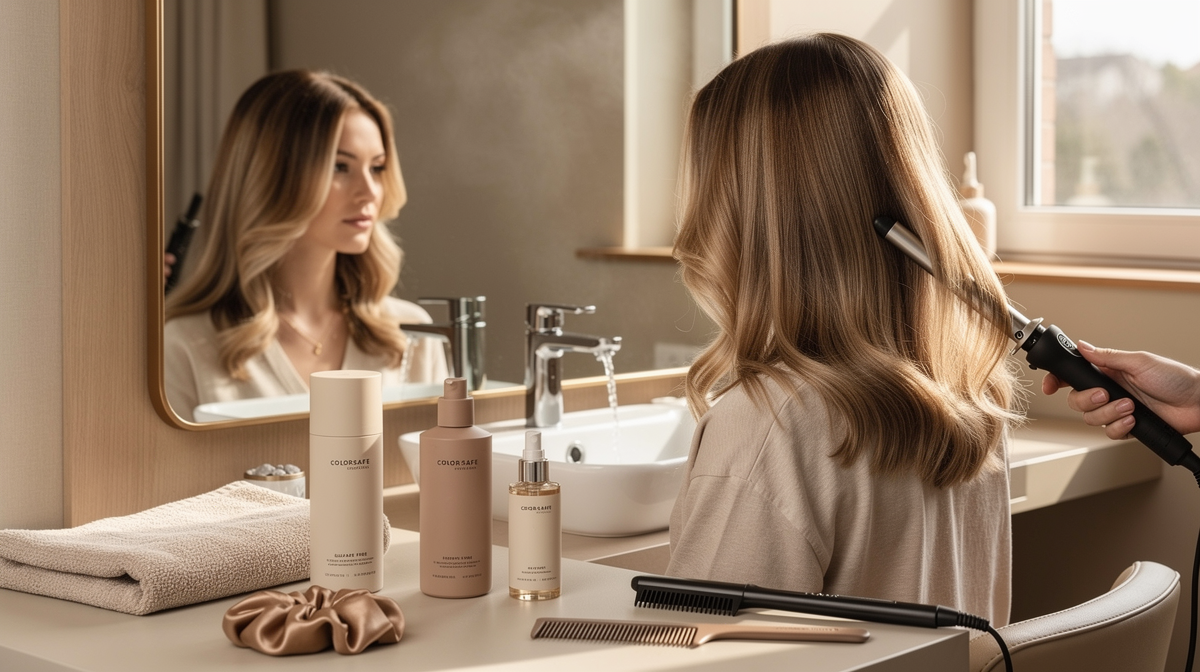
Freshly colored hair can look glossy and rich, then fade faster than expected when small daily habits chip away at pigment and shine.
The goal is longer lasting color that stays true in tone, keeps dimension and feels healthy from roots to ends.
Washing Too Soon After Coloring
Washing immediately after a color service can shorten wear because the cuticle is still settling and the hair is often more porous.
Waiting a bit helps reduce early pigment loss, especially on vivid shades, reds and high lift blondes.
A common mistake is treating the first wash like any other wash day with strong cleanser and hot water.
Instead, keep the first rinse gentle and use a color safe cleanser the next time you shampoo.
Using Water That Is Too Hot

Hot water swells the cuticle and increases color bleed, which can turn a salon shade into a duller version quickly.
It can also leave hair feeling rough, which makes color look less reflective even when the pigment is still present.
Lukewarm water cleans effectively without excessive swelling and a cool rinse helps the surface lie flatter.
This matters most for semi permanent color and glosses, but permanent color also lasts longer with cooler habits.
Over Shampooing And Skipping Gentle Cleansing
Frequent shampooing is one of the fastest routes to fading because surfactants lift oil, styling residue and some dye molecules.
On top of that, harsh cleansing can dry the fiber and dryness makes color look uneven and flat.
Stretching head washing days helps, but only if crown health stays balanced and buildup is managed.
When you do wash, focus shampoo on the scalp and let the rinse clean the lengths rather than scrubbing ends.
- Choose a color safe shampoo. Look for gentle cleansing and avoid strong clarifiers unless you truly need them.
- Use dry shampoo strategically. Apply at the roots and brush through lightly to avoid dull residue on mid lengths.
- Condition every wash. A smoother cuticle reflects light better, making the color look fresher.
With a calmer cleansing routine, pigment loss slows down and shine stays consistent between appointments.
Using The Wrong Shampoo Ingredients
Not all products labeled for color treated hair protect color equally and some common formulas strip faster than expected.
Strong sulfates, heavy salt systems and frequent chelating use can lighten tone and roughen the surface.
Clarifying shampoo has a place, but using it weekly on colored hair is a frequent mistake unless there is hard water buildup or heavy styling wax.
If the scalp gets oily quickly, alternate a gentle daily cleanser with a richer color preserving wash on lengths.
Skipping Deep Conditioning And Bond Repair
Color lasts longer when the hair fiber is strong and the cuticle sits flat, because the pigment stays more protected inside the strand.
Bleach and high lift color can weaken internal bonds and that damage creates a porous surface that releases dye faster.
Deep conditioning improves softness and shine, while bond repair supports strength and reduces breakage that can make color look patchy.
Use a weekly mask on mid lengths and ends, then seal with conditioner to keep slip and reduce friction.
Heat Styling Without Protection
High heat fades color by dehydrating the hair and oxidizing pigments, which can show up as brassiness or a washed out tone.
Repeated flat ironing can also create brittle ends that grab and lose color unevenly.
A heat protectant is not optional on colored hair, especially for blondes and fashion tones. You can pair your routine with a protective hair serum guide for smoother, shinier lengths.
Lowering tool temperature, minimizing passes and air drying partway before blow drying can noticeably extend vibrancy.
Sun Exposure And Environmental Stress

UV light breaks down both natural melanin and cosmetic dye, so fading can accelerate during outdoor time.
Pool chlorine and ocean salt can also shift tone and dry the cuticle, leading to roughness and color drift.
Covering hair with a hat and using a UV protective leave in product helps maintain tone and shine.
Before swimming, souse hair with fresh water and apply conditioner to reduce immersion of chlorine and minerals.
Hard Water And Mineral Buildup
Hard water deposits minerals that dull shine and can pull blondes toward brassy or muddy tones over time.
It can also make hair feel coated, which encourages people to over shampoo and strip color in the process.
A shower filter can help and an occasional chelating treatment removes buildup without constant harsh cleansing.
If your hair feels squeaky or looks less reflective soon after washing, mineral buildup is worth checking.
Toning Mistakes That Create Brassiness Or Flatness
Brassiness is not always a sign that the color is gone, it is often a tone shift as warm underlying pigment shows through.
Using the wrong toner direction can over correct and leave hair looking gray, dull, or uneven.
Purple shampoo can help blondes, but using it too often can dry hair and cause a violet cast on porous ends.
Blue shampoo suits orange tones and color depositing masks can refresh warmth or coolness with less dryness than harsh toners.
For at-home refresh, pick your shade carefully from Black Rose Color Supreme Hair Color and avoid over-toning.
Over Processing At Home
Layering box dye over salon color, repeatedly glossing without guidance, or using strong developer at home can cause banding and unpredictable fading.
It also increases porosity, which makes any color wash out faster no matter how careful you are afterward.
If you want a refresh between visits, choose gentle color depositing conditioners rather than permanent dyes.
When in doubt, ask for a professional gloss schedule that matches your hair type and your shade.
Brushing Roughly And Sleeping Without Protection

Mechanical stress matters because friction lifts the cuticle, tangles ends and makes colored hair look faded and fuzzy.
Rough brushing on wet hair is a common cause of breakage that reduces the look of fullness and dimension.
Use a detangling spray, start from the ends and switch to a soft microfiber towel instead of rubbing.
At night, a smooth pillowcase and loose protective style can reduce tangles and keep shine intact.
Product And Habit Checklist For Longer Lasting Color
Small choices add up, so it helps to align products, water temperature and heat styling with the needs of colored hair.
The guide below summarizes what tends to fade color fast and what supports tone and shine.
| Common Mistake | Why It Fades Color | Better Habit |
|---|---|---|
| Hot showers and hot rinses | Swells the cuticle and increases dye bleed | Wash lukewarm and finish with a cool rinse |
| Shampooing too often | More surfactant contact means more pigment loss | Stretch washes and cleanse scalp only |
| Heat styling without protectant | Dehydrates hair and oxidizes pigments | Apply heat protectant and lower tool temperature |
| Hard water buildup | Minerals dull shine and shift tone | Use a filter and chelate occasionally |
Use the checklist as a quick reset when your shade starts looking less vibrant than it did at the salon.
How To Build A Simple Color Care Routine?
A routine that protects color does not need a crowded shelf, but it should cover cleansing, conditioning, heat protection and tone maintenance.
Keep it consistent for a few weeks before judging results because hair often needs time to recover softness and shine.
- Cleanse with intention. Shampoo the scalp gently and avoid repeated scrubbing on the lengths.
- Condition and seal. Use conditioner every wash and add a mask weekly to smooth the cuticle.
- Protect from heat and UV. Use a heat protectant and a UV protective leave in when outdoors.
- Refresh tone carefully. Use purple or blue products only as needed and stop before hair looks dull.
- Reduce friction daily. Detangle gently and protect hair at night to limit breakage and fading.
Once these basics are in place, your color typically stays richer longer and your hair feels healthier between appointments.


