

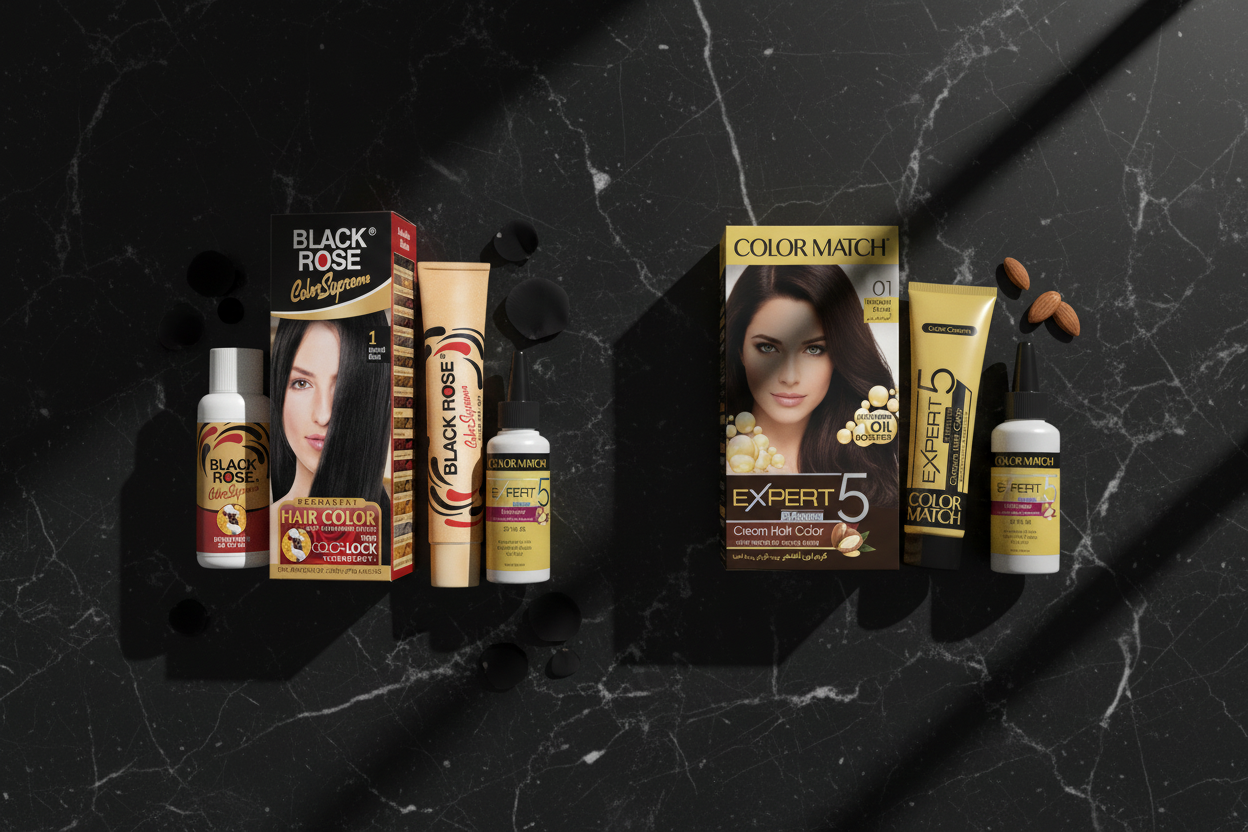
When people say a hair color looks natural, they usually mean it matches the skin tone, works with the brows and does not read harsh in daylight. The most believable shades also leave room for dimension, since real hair is rarely one flat color.
Black hair color and dark brown hair color can both look natural, but they behave differently on different complexions and in different lighting. The best choice depends on undertone, contrast level and how much upkeep you want between salon visits.
Black Hair Color And How It Reads On Hair

Black hair color is the deepest level on the shade scale and it tends to create strong contrast against the face. It can look sleek and polished, but it can also look inky if it is too cool or too uniform for your features.
Many box dyes labeled black are very cool and very saturated, which can make hair look like a single solid shape. A softer black with subtle warmth can look more natural on many people, especially if the eyebrows are not very dark.
Dark Brown Hair Color And Why It Often Looks Softer
Dark brown hair color sits just above black and usually keeps a hint of brown warmth or neutral depth. That small difference often reads more realistic, particularly in bright sun where black can look almost blue.
Dark brown also reflects light in a way that shows movement and texture. If your natural hair is medium brown, dark brown is typically easier to wear without an obvious grow out line.
Undertones And Skin Tone Match
Undertone matters more than the label on the box. Two shades called black can look completely different depending on whether they lean blue, neutral, or warm.
For a natural result, match your hair undertone to your skin undertone and the warmth in your eyes. Neutral shades are the safest choice when you are unsure, because they avoid looking too ashy or too brassy.
- Cool undertones: Cooler black or neutral dark brown can look balanced, especially if your skin has pink or rosy tones.
- Warm undertones: Soft black with a warm base or dark chocolate brown can look more believable than a blue black.
- Olive undertones: Neutral to slightly warm dark brown is often the most natural looking option.
- Deep skin tones: Both shades can look natural, but the best match depends on whether your natural hair reads warm or cool in sunlight.
Once undertone is aligned, you can use depth to control how dramatic or soft the final look feels.
Lighting Changes The Result
Hair color can look perfect in indoor lighting and totally different outside. Black hair color can pick up a blue cast in direct sun, while dark brown may show warm highlights that look more like natural variation.
If you spend a lot of time in bright light or take photos outdoors, dark brown usually looks more forgiving. If you love a high contrast look and prefer a sharper outline, black can still look natural when it is not overly cool.
Grow Out And Maintenance Differences

The most natural shade is often the one that ages well between appointments. Black hair color creates a stronger line of demarcation as roots come in, especially if your natural color is brown.
Dark brown hair color blends more gently with many natural bases, so regrowth can be less obvious. It also tends to fade in a softer way, while black dye can fade to dull tones if it is not refreshed correctly.
- Root visibility: Usually higher with black, usually lower with dark brown.
- Fade pattern: Black can turn flat or slightly cool, dark brown can warm up over time.
- Touch up timing: Black often needs more frequent root touch ups for a seamless look.
Maintenance should match your routine, not just the shade you like in a swatch.
How Dimension Affects Natural Looking Color
One reason dark brown hair color looks natural is that it can hold dimension without looking streaky. Subtle tonal shifts can be created with gloss, lowlights, or a slightly lighter brown through the mid lengths.
Black hair color can also look natural with dimension, but it needs careful placement. A soft shadow root, a translucent gloss, or a black brown mix can prevent the color from looking like a solid helmet.
Choosing Between Black And Dark Brown
If your natural hair is already very dark, the decision often comes down to how crisp you want your overall contrast to be. If your features are softer or your brows are lighter, dark brown frequently looks more effortless.
Use this quick comparison to narrow it down, then fine tune undertone for the most believable finish.
| Factor | Black Hair Color | Dark Brown Hair Color |
|---|---|---|
| Overall Look | High contrast, bold, sleek | Soft depth, realistic variation |
| Most Natural On | Naturally very dark hair, strong brows | Most natural bases from medium to dark |
| Sunlight Effect | May show blue cast if very cool | Often shows warm, natural shine |
| Root Grow Out | More noticeable on brown roots | Blends better with many roots |
At Home Dye Vs Salon Color
At home black hair color is the most common shade that turns out darker than expected. Permanent black can also be difficult to lift later, which matters if you might want highlights or a lighter brown in the future.
Dark brown hair color is still a commitment, but it is often easier to adjust with glosses and toners. A salon can also custom mix a black brown or deep neutral brown that fits your undertone and avoids flatness.
How To Avoid A Harsh Result?
Harshness usually comes from too much cool pigment, too much saturation, or a shade that is too dark for your natural contrast. Small tweaks can make a deep color look more like real hair.
- Pick the right undertone. Choose neutral or warm leaning shades if cool tones make your skin look washed out.
- Leave room for dimension. Use a translucent gloss or a slightly lighter brown through the ends to keep movement.
- Match the brows thoughtfully. Keep brows within about one to two levels for the most natural balance.
- Protect shine. Use color safe shampoo and heat protection so the color stays reflective instead of dull.
These adjustments help both black hair color and dark brown hair color look softer and more believable.
Conclusion
Black hair color looks most natural when it matches naturally deep hair, strong brow depth and an undertone that suits the skin. Dark brown hair color tends to look more natural on a wider range of people because it reflects light softly and blends with regrowth more easily.
If you want the safest natural looking result, choose a neutral or slightly warm dark brown and keep subtle dimension. If you want a sharper, glossy finish, choose a softer black and avoid overly blue tones.


