

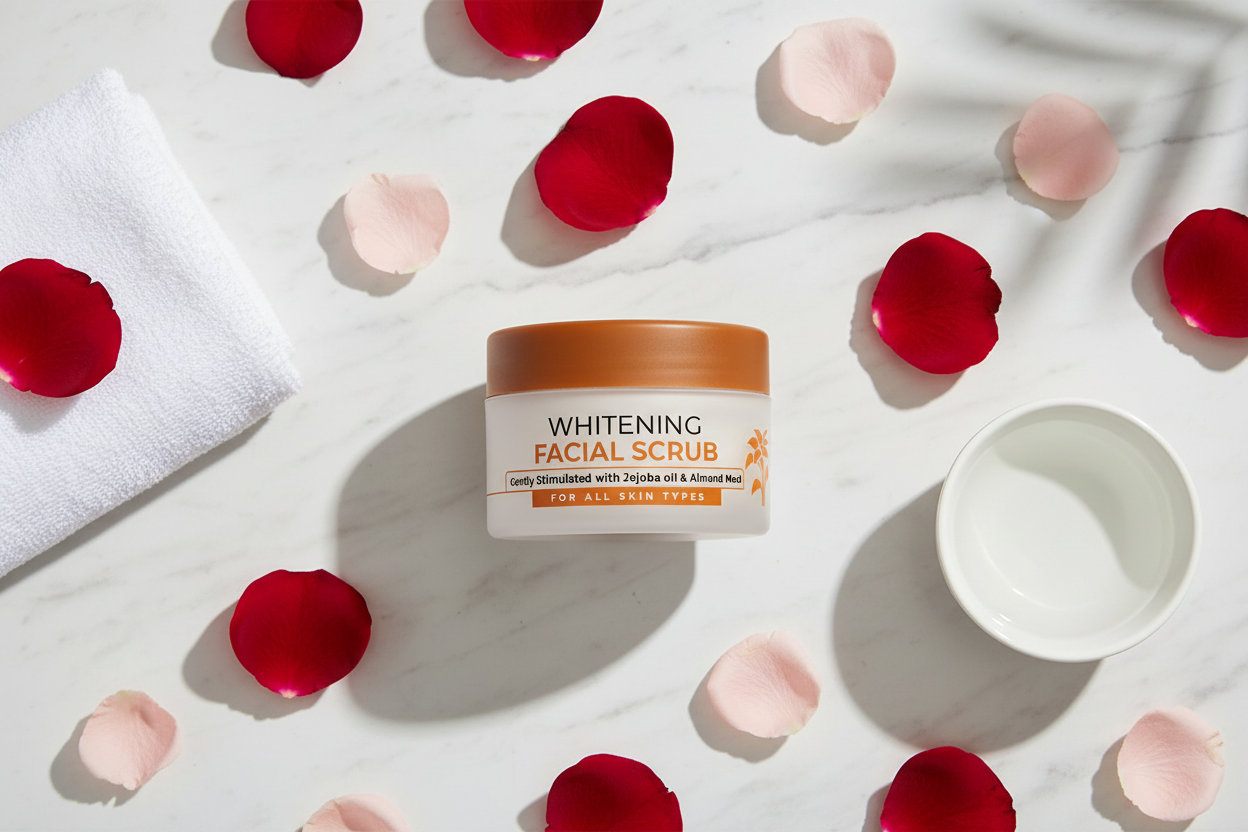
A face scrub can make skin feel smoother fast, but too much exfoliation can leave you dry, red, or sensitive. The safest routine depends on your skin type, the scrub texture and what other active products you use. With the right frequency and technique, you can get the benefits without damaging your skin barrier.
This guide breaks down how often to scrub, what signs to watch for and how to build a steady routine that supports clear, even-looking skin. The goal is consistent results, not a harsh polished feeling that fades into irritation.
What A Face Scrub Really Does?

A face scrub is a physical exfoliant that removes some surface dead skin cells using fine particles or textured tools. That can improve skin texture, help makeup sit better and reduce the look of dullness. It can also temporarily unclog buildup around pores when used gently.
Scrubs do not shrink pores, change genetics, or replace cleansing. They are one tool in exfoliation and they work best when the skin barrier is healthy and hydrated.
How Often You Should Use A Face Scrub?
Most people do best with a low and steady schedule rather than frequent scrubbing. For many routines, one to two times per week is enough to maintain smoothness. Your skin type and sensitivity level decide where you land in that range.
If you already use chemical exfoliants, retinoids, or acne treatments, you usually need less scrubbing. Combining multiple exfoliating products too often is a common reason for stinging and flaky patches.
Face Scrub Frequency By Skin Type

Skin type gives a practical starting point, but it is not a strict rule. Climate, age and how your skin feels after cleansing also matter. Start conservatively, then adjust slowly.
- Dry or sensitive skin: Use a face scrub once weekly or less and choose ultra-fine particles with a creamy base.
- Normal or combination skin: Use a face scrub one to two times weekly, focusing gently on rough areas.
- Oily skin: Use a face scrub up to two times weekly if it does not increase redness or tightness.
- Acne-prone skin: Use a face scrub no more than once weekly and avoid harsh grit that can inflame breakouts.
After you pick a starting frequency, hold it for two to three weeks before making changes. Skin needs time to show whether it is improving or getting stressed.
Signs You Are Over-Exfoliating
Over-exfoliation can look like acne, dryness, or irritation, so it often gets misread. If you push through warning signs, the skin barrier can weaken and become reactive. Pull back quickly when you see these changes.
- Stinging with water or gentle cleanser: A common signal that the barrier is compromised.
- Persistent redness or warmth: Inflammation that lasts beyond a short flush.
- Shiny tight skin: A dehydrated surface that can feel smooth but is actually stressed.
- Flaking around the nose or mouth: Often shows up after scrubbing and using strong actives together.
- More breakouts than usual: Irritation can trigger swelling and clogged pores.
If any of these appear, stop scrubbing for at least one week and focus on barrier repair with gentle cleansing and moisturizers.
How To Choose A Gentle Face Scrub?
A safe face scrub feels smooth and controlled, not sharp or scratchy. Very large particles or irregular shells can create tiny tears in the skin. A gentler formula supports consistent use without setbacks.
Look for fine, rounded exfoliating particles and a hydrating base. If your skin is easily reactive, fragrance-free options and soothing ingredients like glycerin or panthenol can reduce the chance of irritation.
- Prefer finer particles: They exfoliate with less pressure and less friction.
- Avoid rough granules: Sharp edges can over-strip the surface.
- Choose a creamy or gel base: It helps the scrub glide without tugging.
- Check for added actives: If it also contains acids, use it less often.
Your technique matters as much as the product. Even a mild scrub can irritate if you press too hard or scrub too long.
Safe Face Scrub Routine
A consistent method reduces irritation and makes it easier to judge results. Scrubbing should be quick, light and followed by calming hydration. Keep the rest of the routine simple on scrub days.
- Cleanse Gently. Use a mild cleanser and lukewarm water to remove sunscreen, oil and makeup before exfoliating.
- Apply A Small Amount. Use a coin-sized dab and spread it over damp skin so it glides easily.
- Massage With Light Pressure. Use soft circular motions for 20 to 30 seconds, avoiding the eyelids and any raw or inflamed spots.
- Rinse Thoroughly. Remove all particles without rubbing with a towel, then pat skin dry.
- Moisturize Immediately. Apply a simple moisturizer to support the barrier and reduce post-exfoliation tightness.
Once you have a routine, consistency matters more than intensity. A gentle schedule can keep texture smooth without triggering sensitivity.
How To Combine Face Scrubs With Other Actives?

Many routines include ingredients that already increase cell turnover or exfoliate chemically. Layering too many can lead to redness and peeling. Separate intense products so the skin can recover.
On the same day as a face scrub, be cautious with strong retinoids, benzoyl peroxide, or high-strength acids. If you use these regularly, reserve scrubs for off nights and keep frequency low.
- Retinoids: Use on different nights from a scrub if you are prone to dryness.
- AHAs and BHAs: Avoid stacking with a scrub unless both are very mild and your skin is well adapted.
- Vitamin C: If stinging occurs, separate use to reduce irritation risk.
- Clay masks: Use on separate days if your skin feels tight after masking.
If your routine feels complicated, simplify on scrub days. A cleanser, scrub, moisturizer and sunscreen the next morning can be enough.
When You Should Avoid A Face Scrub?
Scrubbing is not appropriate for every situation. Using a scrub on compromised skin can worsen inflammation and slow healing. It is better to pause than to push through.
- Active irritation or sunburn: Wait until the skin feels normal again.
- Open cuts or raw patches: Scrubbing can sting and delay repair.
- Severe acne inflammation: Physical friction can aggravate tender lesions.
- After certain in-office treatments: Follow the guidance you were given for recovery.
If you are unsure, focus on gentle cleansing and moisturizing until your skin is calm. You can reintroduce exfoliation slowly once sensitivity settles.
Quick Guide To Safe Frequency

This reference table offers a simple starting point based on common skin needs and routine load. Adjust based on how your skin feels, not just how it looks in the mirror. When in doubt, scrub less often and support hydration.
| Skin Type | Suggested Frequency | Best Practice |
|---|---|---|
| Dry or sensitive | Every 10 to 14 days | Use a very gentle scrub and follow with a richer moisturizer |
| Normal or combination | Once weekly | Focus on rough zones and keep pressure very light |
| Oily | One to two times weekly | Do short massages and avoid using with other strong exfoliants |
| Acne-prone | Once weekly or less | Avoid harsh grit and do not scrub inflamed breakouts |
Use the table as a baseline, then personalize it based on your skin barrier, climate and product lineup. Small tweaks usually work better than big changes.
Conclusion
How often you should use a face scrub depends on your skin type, sensitivity and what else you apply in your routine. For most people, one to two times per week is plenty and dry or reactive skin often needs less. Gentle pressure, short contact time and immediate moisturizing make the biggest difference in keeping exfoliation safe.
Pay attention to stinging, redness, tight shine and flaking, then scale back at the first sign of stress. A calm barrier leads to smoother skin over time, which is the real goal of using a face scrub.


