

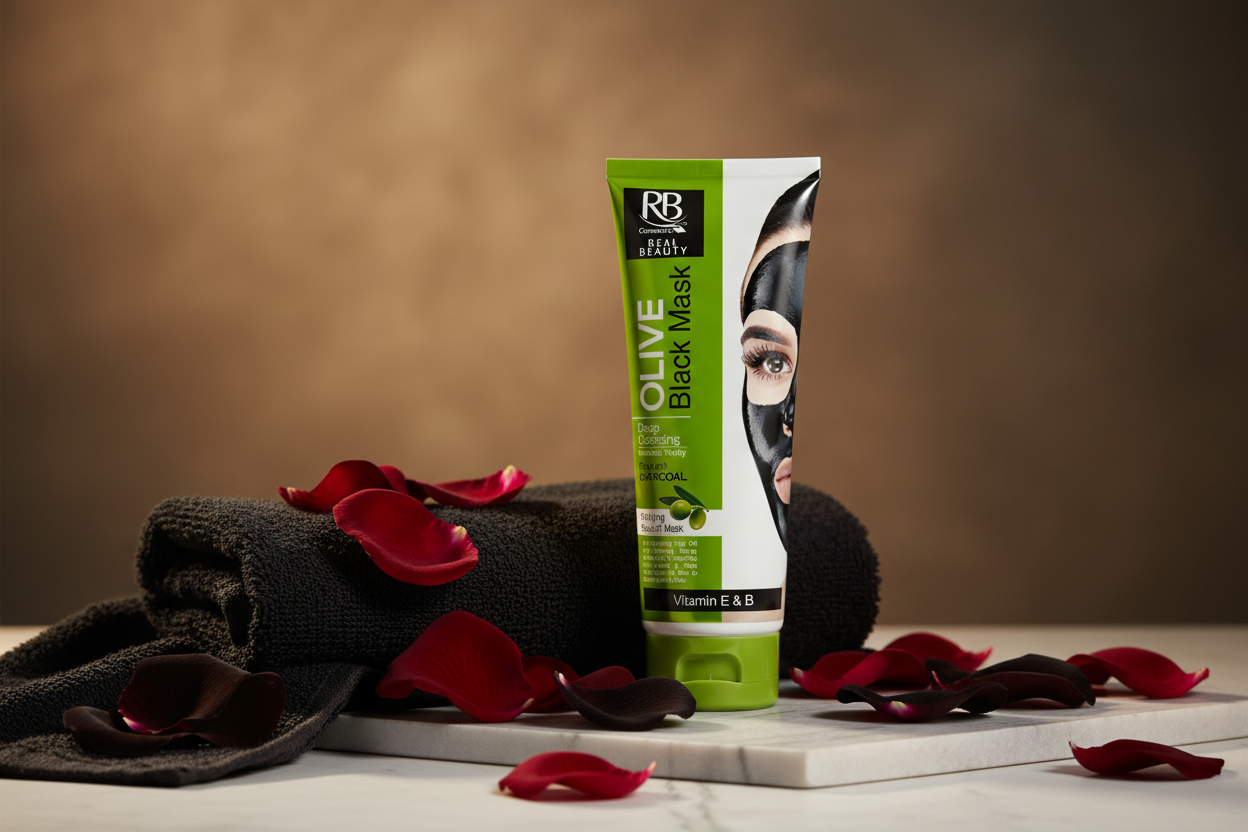
Oily skin can look shiny within hours, feel greasy by midday and clog pores even with a careful routine. A black mask can help, but only when it matches your skin type and you use it with the right technique.
This guide breaks down what a black mask for oily skin does, when to apply it and what mistakes cause irritation or more oil. You will also learn how to choose formulas that support your skin barrier instead of stripping it.
What A Black Mask Is And How It Works?
The term black mask usually refers to a wash-off clay mask, a charcoal-based mask, or a peel-off mask with a dark pigment. The color comes from ingredients like charcoal, iron oxides, or dark clays, not from a special effect.
For oily skin, the useful part is the absorbent and pore-clearing action. Certain formulas bind excess sebum and lift away surface debris so pores look smaller and skin feels less slick.
Charcoal And Oil Absorption
Activated charcoal is porous and can attract oil and grime on the skin surface. It can support a cleaner feel, but it does not pull impurities out of pores like a vacuum.
The best results come when charcoal is paired with gentle clays and barrier-friendly humectants. This balance reduces shine without leaving skin tight.
Clays That Suit Oily Skin
Kaolin is a mild clay that absorbs oil with less risk of over-drying. Bentonite is stronger and can feel more mattifying, which can be helpful for very oily zones.
Some masks combine both to target shine while staying comfortable. If you get flaky patches, a softer clay blend is usually the safer choice.
Peel Off Black Masks And Why They Are Tricky
Peel-off black masks often rely on film-forming polymers and strong adhesion. They remove surface buildup, but they can also tug on hair follicles and irritate sensitive, acne-prone skin.
If you are prone to redness, broken capillaries, or inflamed acne, a wash-off black mask is generally a better fit. Peel-off masks also increase the risk of barrier disruption when used too often.
Benefits Of A Black Mask For Oily Skin
When the formula is well made and you use it correctly, a black mask can improve both feel and appearance. The key is consistency, not intensity.
- Less visible shine. Absorbent ingredients reduce the greasy look, especially on the forehead, nose and chin.
- Smoother skin texture. Removing surface oil and buildup can make skin feel more even and less bumpy.
- Clearer-looking pores. Masks can lift debris from the surface and make pores appear smaller for a short period.
- Better makeup wear. A less oily surface can help foundation and sunscreen sit more evenly.
- Support for breakout-prone skin. When paired with a good routine, oil control can lower the chance of congestion.
These benefits are strongest when you protect the skin barrier with gentle cleansing and proper hydration. A mask works best as a helper, not as the whole routine. If you are still building your base regimen, read our guide on how to build the perfect skin care routine for oily skin before adding a mask step.
Best Time To Use A Black Mask
Timing matters because your skin changes throughout the day and across the week. A black mask for oily skin should fit around cleansing, active ingredients and recovery time.
Use It In The Evening After Cleansing
Evening is usually ideal because sunscreen, sweat and pollution particles build up during the day. Cleansing first removes surface layers so the mask can contact the skin more evenly.
After the mask, you can focus on calming and hydrating steps without needing to reapply makeup or sunscreen. This reduces friction and helps minimize irritation.
How Often To Apply It?
Most oily skin types do well with a black clay or charcoal mask one to two times per week. More frequent use can trigger dryness, which may cause your skin to produce more oil to compensate.
If you use exfoliating acids or retinoids, keep mask days separate at first. This spacing lowers the chance of burning, peeling, or an impaired moisture barrier.
When To Skip It?
Skip masking when your skin is sunburned, actively irritated, or peeling. Also avoid it right after shaving, waxing, or using a new strong active, since skin can be more reactive.
If you have painful cystic acne, avoid pressing, rubbing, or peeling masks over inflamed areas. A gentler spot-focused routine is safer during flare-ups.
How To Use A Black Mask The Right Way?

A good technique makes results more predictable and reduces side effects. Follow a simple method and keep your routine calm on mask nights.
- Cleanse gently. Use a mild cleanser and lukewarm water so you start with clean skin without stripping it.
- Apply an even layer. Spread a thin, uniform coat and avoid the eye area, eyebrows and hairline.
- Watch the clock. Leave it on only as long as the label suggests and do not wait for it to crack fully.
- Rinse without scrubbing. Use lukewarm water and soft fingertips or a wet cloth, then pat dry.
- Moisturize promptly. Apply a lightweight, non-comedogenic moisturizer to reduce water loss and rebound oil.
If you want extra oil control, focus the mask on the T-zone and keep cheeks bare. This targeted approach often feels better and still delivers visible shine reduction.
Mistakes To Avoid With Black Masks
Many problems come from overuse, harsh formulas, or incorrect removal. Fixing these habits can improve results quickly.
Leaving It On Until It Feels Too Tight
When a clay mask dries completely and cracks, it can pull water out of the skin. This tight feeling is a sign of dehydration, not improved cleansing.
Remove the mask while it is still slightly flexible. You can mist your face lightly if it dries too fast in a hot or dry room.
Using Peel Off Masks On Sensitive Or Acne Inflamed Skin
Peel-off masks can cause micro-tears, worsen redness and disturb healing pimples. They may also remove fine facial hair, which can lead to irritation and bumps.
If you prefer the peel sensation, limit it to the nose area only and do it rarely. Stop immediately if you notice stinging, prolonged redness, or broken skin.
Combining With Strong Exfoliants On The Same Night
Mixing a black mask with exfoliating acids, scrubs, or high-strength retinoids can overwhelm your barrier. This often leads to burning, flaking, or new breakouts that look like a rash.
Use the mask on a recovery night with simple hydration. Save actives for a different day once your skin tolerates both well.
Skipping Moisturizer Because Your Skin Is Oily
Oily skin still needs water and barrier support. When you skip moisturizer, the skin can become dehydrated and respond with more oil production.
Choose a light gel-cream with ingredients like glycerin, panthenol, ceramides, or niacinamide. This can keep skin balanced without feeling greasy.
Rubbing Too Hard During Removal
Scrubbing with rough towels can inflame the skin and spread bacteria across active breakouts. Friction also increases the chance of post-inflammatory marks.
Soften the mask with water first and remove it gently. Pat dry and avoid harsh toners right after.
Choosing The Best Black Mask Formula For Oily Skin

Not all black masks are created for oily skin, even when the packaging says they are. Checking the ingredient list helps you avoid common triggers like heavy fragrance or harsh alcohols.
Look for formulas that combine oil absorption with hydration. This supports a matte finish without compromising comfort. Understanding which actives are worth your attention can also help — our breakdown of the top 10 skin care ingredients backed by dermatologists is a useful reference when reading labels.
- Helpful ingredients. Kaolin, bentonite, activated charcoal, niacinamide, zinc PCA, glycerin, panthenol.
- Use caution with. Strong fragrance, essential oils, denatured alcohol high on the list, harsh physical exfoliants.
- Consider your acne type. If you get closed comedones, a mask that pairs with a separate salicylic acid routine can be useful.
Patch testing is still worth it, especially with peel-off formulas or masks that contain acids. Apply a small amount near the jawline and check for delayed irritation over the next day.
Black Mask Timing With Other Skincare
Layering matters because some ingredients compete or increase sensitivity when combined. A clean, minimal routine around mask use is usually the best approach.
| Routine Moment | What To Do | What To Avoid |
|---|---|---|
| Before Mask | Gentle cleanser and pat dry | Harsh scrubs and very hot water |
| During Mask | Thin even layer and remove on time | Letting it crack fully or peeling aggressively |
| After Mask | Hydrating serum and lightweight moisturizer | Strong acids or retinoids on first use |
| Next Morning | Gentle cleanse and sunscreen | Skipping sunscreen if skin feels sensitive |
This structure keeps the mask effective while reducing the risk of rebound oil and irritation. If you are building a routine, introduce one change at a time so you can spot triggers easily.
Signs Your Black Mask Is Not Working For You
Some discomfort is normal with oil-absorbing products, but pain is not. Your skin should look calmer and feel smoother after rinsing, not raw or stinging.
- Persistent tightness. Tight, shiny dryness after masking suggests overuse or an overly strong formula.
- More breakouts. New inflamed bumps can signal irritation, occlusive ingredients, or poor removal.
- Redness that lasts. Redness beyond an hour may point to barrier stress or fragrance sensitivity.
- Patchy flaking. Flakes around the nose and mouth often mean you need less frequent masking and more moisturizer.
If these signs show up, reduce frequency and switch to a milder wash-off mask. If symptoms persist, consider professional guidance from a dermatologist.
Conclusion
A black mask for oily skin can reduce shine, improve the feel of congested areas and support a clearer-looking complexion when used with restraint. The best time to apply it is usually in the evening after cleansing, followed by hydration and a lightweight moisturizer.
Avoid leaving it on too long, peeling aggressively, or combining it with strong exfoliants on the same night. With a gentle technique and a barrier-first routine, black masks can be a reliable weekly tool rather than a risky quick fix. For a broader perspective on why consistent skin care matters more than any single product, see our article on why primary skin care is more important than makeup.


