

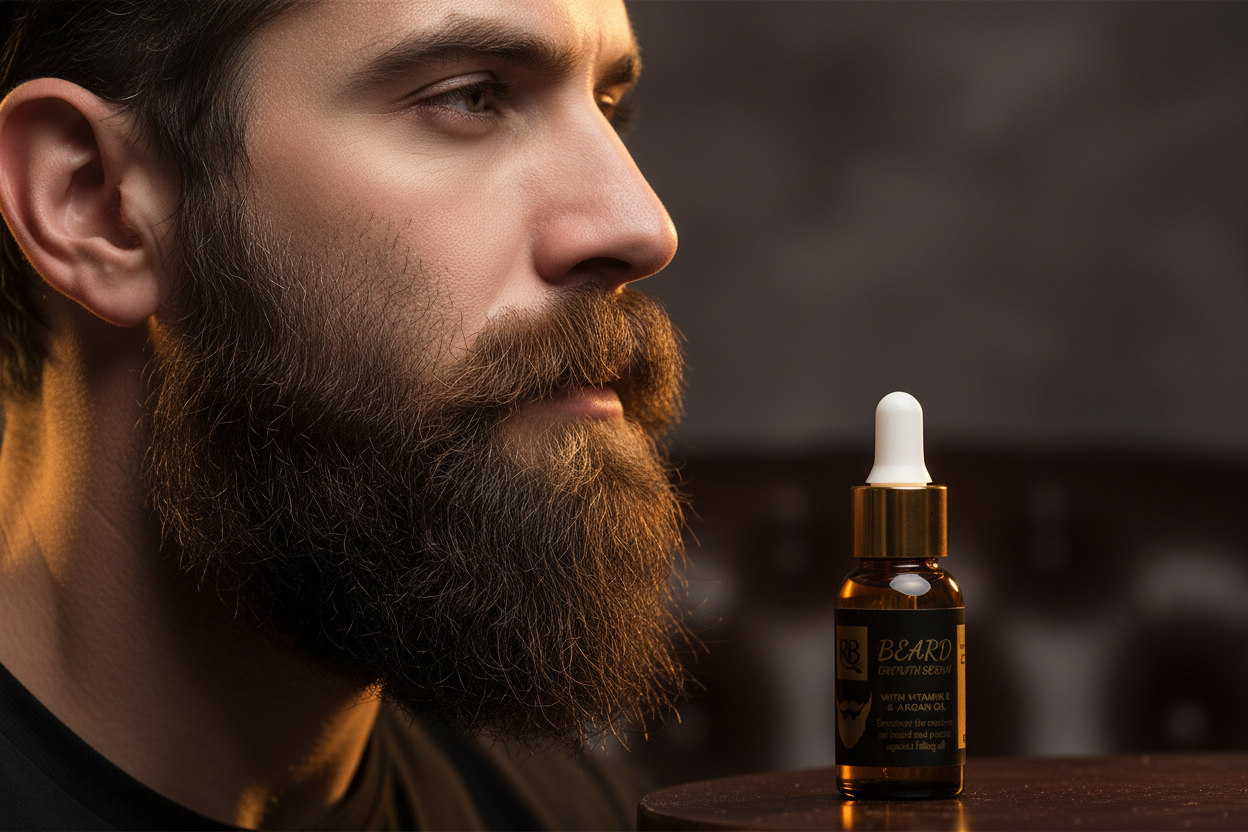
Starting a beard can feel simple until the patchy days show up and the itch kicks in. A fuller, thicker beard usually comes from steady care, smart grooming and patience with your natural growth pattern.
This guide focuses on the basics that make the biggest difference for beginners. You will learn how to clean, condition, trim and style your beard so it looks denser while it grows in.
Understanding Beard Growth Basics
Beard thickness is influenced by genetics, hormones, age and overall health. You cannot change your DNA, but you can support healthier follicles and reduce breakage that makes a beard look thin.
Growth is not even across the face. Cheeks often fill in slower than the chin and mustache area, so early patchiness is common and not a sign of failure.
Most beginners quit too early or trim too aggressively. A consistent routine over several weeks tends to reveal your true coverage and makes the beard look fuller sooner.
Setting Realistic Expectations For A Fuller Beard
A thicker look comes from two things, new growth and better presentation. You can improve presentation right away with better hydration, shape and styling.
New growth takes time and is measured in weeks, not days. Tracking with photos every couple of weeks helps you notice progress without obsessing in the mirror.
Focus on controllable habits. Better sleep, less stress and a clean routine reduce shedding and brittleness, which keeps your beard looking dense.
Daily Beard Care Routine For Beginners

Consistency matters more than owning many products. A simple daily routine keeps the skin calm and the beard soft so hairs stay in place and look thicker.
Start by rinsing your beard with lukewarm water to remove sweat and dust. Pat dry with a towel instead of rubbing, since friction causes frizz and breakage.
Apply a light leave-in such as beard oil or a beard moisturizer. This reduces itch, adds shine and helps hairs lay together for a fuller appearance.
Morning Routine Essentials
A quick morning routine improves shape and volume control. It also prevents the dry, wiry look that can make a beard seem sparse.
- Hydrate and soften. Splash with lukewarm water and gently towel dry to keep hair flexible.
- Condition with beard oil. Use a small amount and work it down to the skin to reduce itch and flaking.
- Brush or comb. Use a boar bristle brush for short beards and a wide-tooth comb for longer beards.
- Light styling. Use a small amount of balm to control flyaways and add a thicker look.
Once this becomes automatic, you will notice fewer rough patches and a more uniform shape.
Night Routine Essentials
Night care supports healthier skin and reduces tangles. It also helps prevent split ends that make the beard look thinner over time.
- Gentle cleanse when needed. Rinse out product buildup and avoid harsh soaps that strip natural oils.
- Moisturize the skin. A few drops of oil or a fragrance-free moisturizer keeps the skin barrier comfortable.
- Detangle lightly. Comb gently to remove knots and reduce overnight breakage.
Clean pillowcases and less friction while sleeping also help reduce frizz and stray hairs.
Washing And Conditioning Without Drying Out
Over-washing is one of the fastest ways to create itch and a rough beard. Under-washing can lead to buildup that blocks follicles and causes dullness.
Use a dedicated beard wash or a mild cleanser when you need more than a rinse. Many beginners do well washing two to four times per week, depending on sweat and product use.
Conditioning matters because beard hair is often drier than scalp hair. A beard conditioner or a softening balm helps hairs stay flexible and reduces breakage.
| Beard Length | Wash Frequency | Conditioning Focus |
|---|---|---|
| Stubble to Short | 2 to 3 times per week | Prioritize skin hydration and itch control |
| Short to Medium | 2 to 4 times per week | Use conditioner to soften and reduce wiry texture |
| Medium to Long | 2 to 3 times per week | Deep condition and detangle to prevent breakage |
| Very Long | 1 to 3 times per week | Focus on ends, use balm to seal and protect |
Adjust based on your skin. If you notice tightness or flakes, wash less often and add more conditioning.
Beard Oil Beard Balm And Beard Butter

These products overlap, but each has a different main job. Choosing one or two that fit your beard length keeps your routine simple.
Beard oil targets the skin and the base of the hair. It helps reduce dryness, beard dandruff and itch while making hair look healthier.
Beard balm adds light hold and helps shape the beard. It can make a beard appear thicker by keeping hairs aligned instead of sticking out.
Beard butter is a soft conditioner with little hold. It works well at night to improve softness and reduce the brittle feel that leads to breakage.
Brushing Combing And Training Your Beard
Training is simply teaching hairs to lay in a consistent direction. Regular brushing and combing reduces tangles, spreads product and improves density by grouping hairs together.
Use a brush for short beards to exfoliate lightly and boost circulation. Use a comb for longer beards to avoid snagging and to keep the beard looking neat.
Go slow and start at the ends if your beard is longer. Pulling through knots can cause breakage that creates thin spots over time.
How To Trim For A Thicker Look?
Trimming is not only about removing length. A clean outline and balanced shape can make a beard look fuller, even when growth is uneven.
Let your beard grow enough to see its natural pattern before major shaping. Many beginners do best with minimal trimming for the first few weeks.
- Set your neckline. Keep it clean and slightly above the Adam’s apple to avoid a scraggly look.
- Define the cheek line lightly. Remove only obvious strays so you do not erase developing coverage.
- Trim for symmetry. Use small snips and check both sides in good light.
- Blend the mustache. Keep hairs off the lip to look tidy and make the rest appear denser.
After shaping, maintain with small touch-ups rather than big resets. This keeps the beard looking consistently thick.
Beard Nutrition Sleep And Lifestyle Habits
Hair is built from protein and follicles respond to overall health. A beard routine works best when your body has the basics it needs.
Prioritize protein, healthy fats and micronutrients such as zinc, iron and vitamin D through a balanced diet. Staying hydrated helps skin comfort and reduces flaking under the beard.
Sleep and stress management also matter. Chronic stress can worsen shedding and inflammation, which makes patchiness more noticeable.
- Eat enough protein. Support keratin production and reduce brittle texture.
- Lift and move regularly. Exercise supports circulation and overall hormone balance.
- Protect your skin. Use sunscreen on exposed areas and avoid harsh, drying cleansers.
These habits do not create overnight growth, but they improve the quality of hair you grow and keep it on your face longer.
Common Beginner Mistakes That Cause Patchiness

Many issues that look like poor growth are actually breakage, irritation, or poor grooming. Fixing the basics often improves the look within days.
- Using regular bar soap. It can strip oils and trigger itch and flaking that makes the beard look thin.
- Over-trimming the cheeks. Removing vellus hairs too early slows the appearance of fullness.
- Skipping skin care. Dry or inflamed skin underneath reduces comfort and can increase scratching.
- Brushing aggressively. Pulling and snagging leads to broken hairs and frizz.
A calmer routine usually gives a cleaner outline and a denser overall finish.
When To See A Professional Barber?
A skilled barber can set your shape in a way that complements your growth pattern. This is especially useful when you are transitioning from stubble to a short beard.
Bring a clear goal such as a boxed beard, a natural beard, or a short faded beard. Ask for a maintenance plan so you can keep the shape at home with minimal trimming.
Professional shaping also helps if you struggle with neckline placement or mustache blending. A good foundation makes a thinner beard look stronger.
Conclusion
A fuller, thicker beard is built with patience, gentle washing, regular conditioning and smart trimming. The goal is healthy skin, less breakage and a shape that makes your coverage look its best.
Keep your routine simple, track progress every couple of weeks and avoid harsh products or over-trimming. With steady care, your beard will look denser, softer and more intentional as it grows.


