

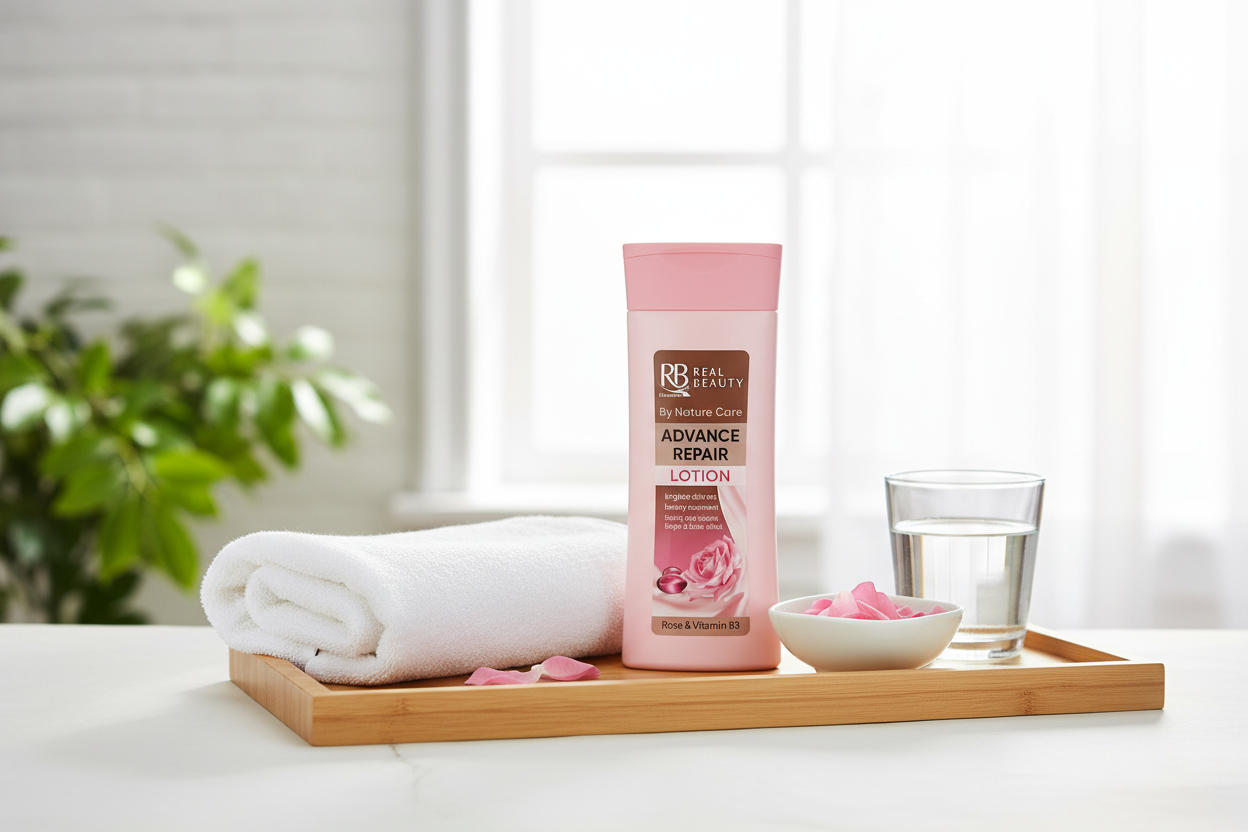
Choosing a body lotion sounds simple, but the right match depends on your skin barrier, climate and daily habits. This complete guide focuses on practical cues like texture, key ingredients and when to apply for the best comfort and glow.
Why Skin Type Matters For Body Lotion?
Your face and body can behave differently because body skin is thicker and often drier. Areas like shins and elbows lose water quickly, while the chest and back can be more prone to breakouts.
The right body lotion supports the skin barrier so water stays in and irritants stay out. When the barrier is weak, even a rich lotion can sting or feel greasy without improving dryness.
Know Your Skin Type And Condition

Skin type is your baseline, while skin condition changes with seasons, hormones and routines. A good choice starts with reading your skin daily rather than relying on a single label.
Use simple signs to guide you, such as tightness after showering, flaking by midday, or shine paired with clogged pores. If you deal with burning, frequent itching, or rash-like patches, treat your skin as sensitive even if it also gets oily.
- Dry: Tightness, flaking, rough texture and a dull look, often worse on legs and hands.
- Oily Or Acne-Prone: Shine on chest or back, frequent bumps and clogged pores, especially with heavy occlusive products.
- Combination: Some areas feel dry while others get slick or bumpy, often depending on clothing friction and sweat.
- Sensitive: Stinging, redness, itching, or reactivity to fragrance, exfoliants and hot water.
- Normal: Comfortable most days with occasional dryness after long showers or cold weather.
Once you identify your baseline, you can choose a lotion texture and ingredient profile that fits without overloading your skin.
Understand Lotion Textures And What They Do?

Texture affects how a product spreads, absorbs and layers with sunscreen or clothing. It also affects how well it seals in water, which matters most right after bathing.
Body lotions, creams and butters sit on a spectrum of water-to-oil balance. Lighter options often feel better in heat and on acne-prone areas, while richer options are better for chronic dryness and winter weather.
- Gel Lotion: Fast absorption and a light finish, often best for humid climates and sweaty skin.
- Lotion: Balanced hydration for most skin types, easy for daily use and quick dressing.
- Cream: Thicker and more protective, helpful for dry skin, itchy legs and rough elbows.
- Body Butter: Heaviest feel with strong sealing power, useful for very dry patches and overnight care.
- Body Oil And Oil-Lotion Hybrids: Great for sealing moisture on damp skin, but can be too slick for acne-prone backs.
Texture should match both your skin needs and your lifestyle, since consistency only works when you enjoy using the product.
Key Ingredients To Look For
Most effective body lotions combine humectants to pull in water, emollients to smooth and occlusives to reduce water loss. The best formula for you depends on whether you need water binding, barrier repair, or pore-friendly slip.
Ingredient lists can be long, so focus on proven categories rather than chasing every trend. If you react easily, fewer ingredients can reduce risk.
- Humectants: Glycerin, hyaluronic acid, sodium PCA, panthenol and urea help hydrate and improve softness.
- Emollients: Squalane, triglycerides, fatty alcohols and plant oils smooth roughness and reduce the look of ashiness.
- Occlusives: Petrolatum, dimethicone and waxes slow transepidermal water loss and protect chafed areas.
- Barrier Support: Ceramides, cholesterol and fatty acids help restore a compromised barrier and reduce tightness.
- Soothing Helpers: Colloidal oatmeal, allantoin and bisabolol can calm itch and redness.
When you want faster results, look for a formula that pairs glycerin with an occlusive and barrier lipids, since that combination covers hydration and retention.
Ingredients To Avoid If You Are Reactive
Sensitive skin often struggles with scent and harsh exfoliating blends, even if the product feels fine at first. Irritation can show up as itching, bumps, or a burning feel after repeated use.
Choosing a fragrance-free option is often the simplest way to reduce reactions. If you prefer scented products, keep them away from recently shaved skin and any rash-prone areas.
- Added Fragrance: Common trigger for itch and redness, especially with daily application.
- Essential Oils: Natural does not mean gentle and these can sensitize skin over time.
- High Alcohol Content: Can worsen dryness and sting on cracked or freshly shaved skin.
- Strong Acids Used Daily: AHA blends can be helpful, but overuse can compromise the barrier and increase sensitivity.
If you are unsure, patch test on a small area for several days before using it everywhere.
How To Choose The Right Body Lotion For Dry Skin?
Dry skin needs both hydration and a seal to stop water from escaping. The quickest improvement usually comes from applying a richer cream on damp skin right after bathing.
Look for glycerin, urea, ceramides and petrolatum or dimethicone. These ingredients reduce tightness, improve rough texture and help prevent flaky patches from returning.
- Best Texture: Cream or body butter for legs, hands and elbows.
- Best Timing: Within a few minutes after showering, then again before bed if needed.
- Extra Tip: For cracked areas, apply a thin layer of an occlusive on top of lotion to lock it in.
Consistency matters more than a single heavy application, so keep a pump bottle where you will actually use it.
How To Choose The Right Body Lotion For Oily And Acne-Prone Skin?
Oily body areas need hydration without heavy residue that can trap sweat and contribute to clogged pores. A lighter lotion can still support the barrier and reduce irritation from acne treatments.
Look for non-greasy textures and ingredients like glycerin, niacinamide and light silicones. If your back and chest break out, avoid very rich butters and heavy oils in those areas.
- Best Texture: Gel lotion or lightweight lotion that absorbs quickly.
- Best Placement: Use richer products only on dry zones like shins, not on breakout-prone areas.
- Extra Tip: Keep workout clothing breathable and shower soon after heavy sweating to reduce pore congestion.
A balanced routine can improve both comfort and clarity, since over-drying often leads to more irritation and oiliness.
How To Choose The Right Body Lotion For Sensitive Skin?
Sensitive skin does best with simple formulas that focus on barrier repair. Your goal is to reduce triggers and maintain steady hydration without sting.
Choose fragrance-free products with ceramides, colloidal oatmeal, or panthenol. If you have eczema-prone skin, prioritize creams that reduce itch and avoid frequent hot showers.
- Best Texture: Cream for daily use, with an occlusive layer on flare-prone spots when needed.
- Best Routine: Gentle cleanser, lukewarm water and immediate moisturizing.
- Extra Tip: Apply to slightly damp skin and pat, do not rub aggressively with a towel.
When your barrier stabilizes, you can experiment with richer or lighter textures without provoking reactions.
How To Choose The Right Body Lotion For Normal And Combination Skin?
Normal skin benefits from maintenance, especially in colder months or dry indoor air. Combination body skin often needs zone-based care rather than one product for everything.
A standard lotion with glycerin and an emollient base works for most areas. Keep a richer cream for elbows, knees and any spots that look ashy or feel rough.
- Best Texture: Lotion for everyday, cream for targeted dry patches.
- Best Approach: Apply lighter product broadly and spot-treat with heavier product as needed.
This approach keeps skin comfortable without feeling coated or sticky.
Body Lotion Cheat Sheet Table
Use this table to match skin needs with texture, key ingredients and usage cues. Adjust for your climate, since humidity and cold air change how much sealing you need.
| Skin Need | Best Texture | Ingredients To Prioritize |
|---|---|---|
| Very Dry And Flaky | Cream Or Body Butter | Glycerin, urea, ceramides, petrolatum, dimethicone |
| Oily Or Breakout-Prone | Gel Lotion Or Lightweight Lotion | Glycerin, niacinamide, panthenol, light silicones |
| Sensitive Or Itchy | Fragrance-Free Cream | Ceramides, colloidal oatmeal, allantoin, panthenol |
| Rough Bumps And Texture | Lotion Or Cream With Gentle Exfoliant | Urea, lactic acid, salicylic acid, barrier lipids |
After you narrow the formula, the final decision comes down to feel on skin and how reliably you apply it.
How To Apply Body Lotion For Better Results?

Application technique changes how much hydration you retain. The best time is right after bathing, when water is still present on the skin surface.
- Pat Skin Damp. Leave a slight layer of moisture after toweling off, since lotion traps that water and improves softness.
- Apply Evenly. Use smooth strokes and cover high-dryness zones first, including shins, feet, elbows and hands.
- Layer Where Needed. On cracked or chafed spots, add a small amount of occlusive on top to reduce water loss.
- Let It Settle. Wait a few minutes before dressing to reduce pilling and improve comfort under clothing.
With consistent timing, you often need less product while getting better results.
Common Mistakes That Make Lotion Feel Like It Is Not Working
When lotion seems ineffective, the issue is often routine rather than the product itself. Small adjustments can improve hydration quickly.
- Applying On Completely Dry Skin. Lotion works best when it can trap water, so damp-skin application matters.
- Using Hot Water Daily. Hot showers strip lipids and worsen tightness, especially on legs and arms.
- Over-Exfoliating. Too many acids or scrubs can weaken the barrier and increase sting and dryness.
- Skipping Sunscreen On Exposed Areas. Sun damage worsens dryness and texture over time, especially on arms and shoulders.
Fix these basics first, then reassess whether you need a richer texture or a simpler ingredient list.
Conclusion
The right body lotion supports your skin barrier, matches your texture preferences and fits your daily routine. Dry skin usually needs creams with humectants plus occlusives, oily or acne-prone skin does better with lighter options and sensitive skin benefits from fragrance-free barrier-focused formulas.
Apply lotion on damp skin, focus on the driest areas and adjust with seasons for steady results. When you choose based on skin type and ingredients, your body care becomes easier and your skin stays comfortable longer.


